Buy campingwiki.eu ?
We are moving the project
campingwiki.eu .
Are you interested in purchasing the domain
campingwiki.eu ?
domain@kv-gmbh.de · 0541-91531010
Buy campingwiki.eu ?
What is a connecting rod bearing 2?
A connecting rod bearing 2 is a component of an engine that helps to reduce friction between the connecting rod and the crankshaft. It is typically made of a durable material such as steel or aluminum and is designed to withstand high levels of stress and heat. The connecting rod bearing 2 plays a crucial role in ensuring smooth operation of the engine by allowing the connecting rod to move freely and smoothly as the engine runs. **
What is the connecting rod or the conrod?
The connecting rod, also known as the conrod, is a component in an internal combustion engine that connects the piston to the crankshaft. It plays a crucial role in converting the reciprocating motion of the piston into rotational motion of the crankshaft. The connecting rod is subjected to high forces and must be strong and durable to withstand the stresses of engine operation. It is typically made of steel or aluminum alloy and is a critical component in the engine's power transmission system. **
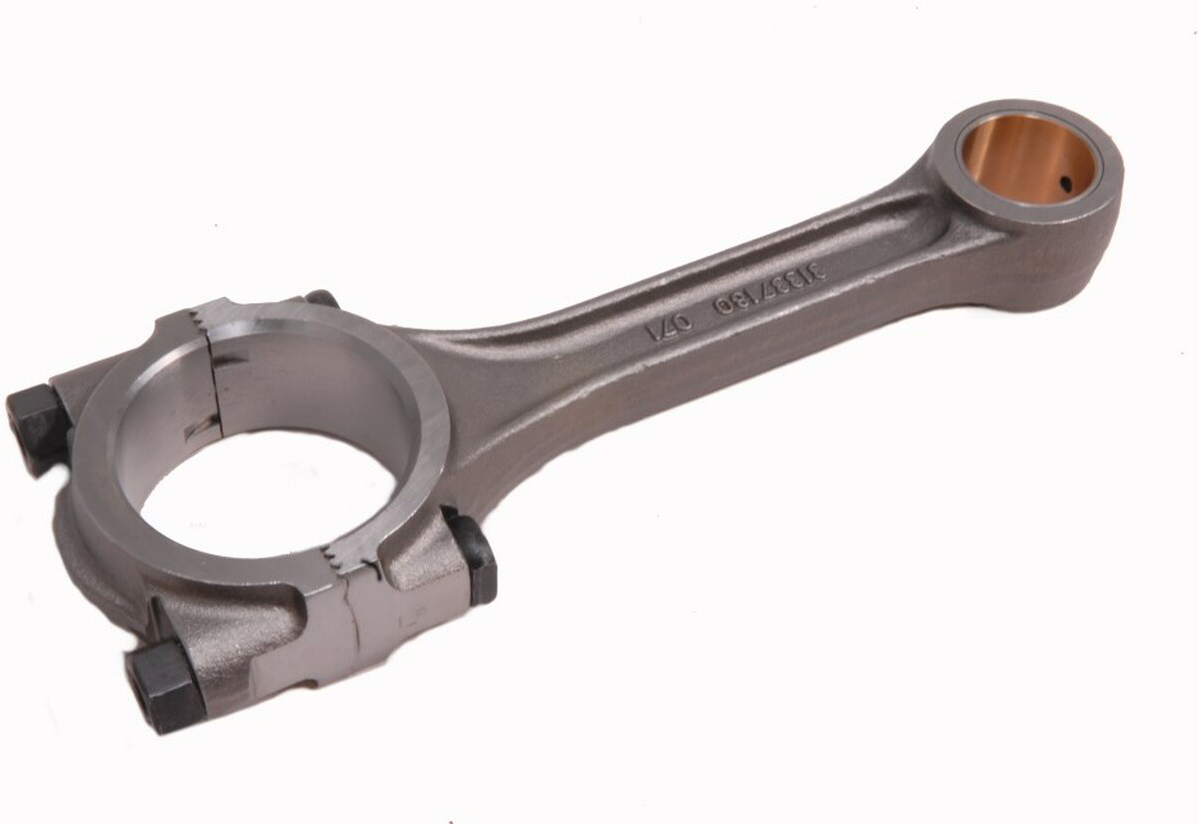
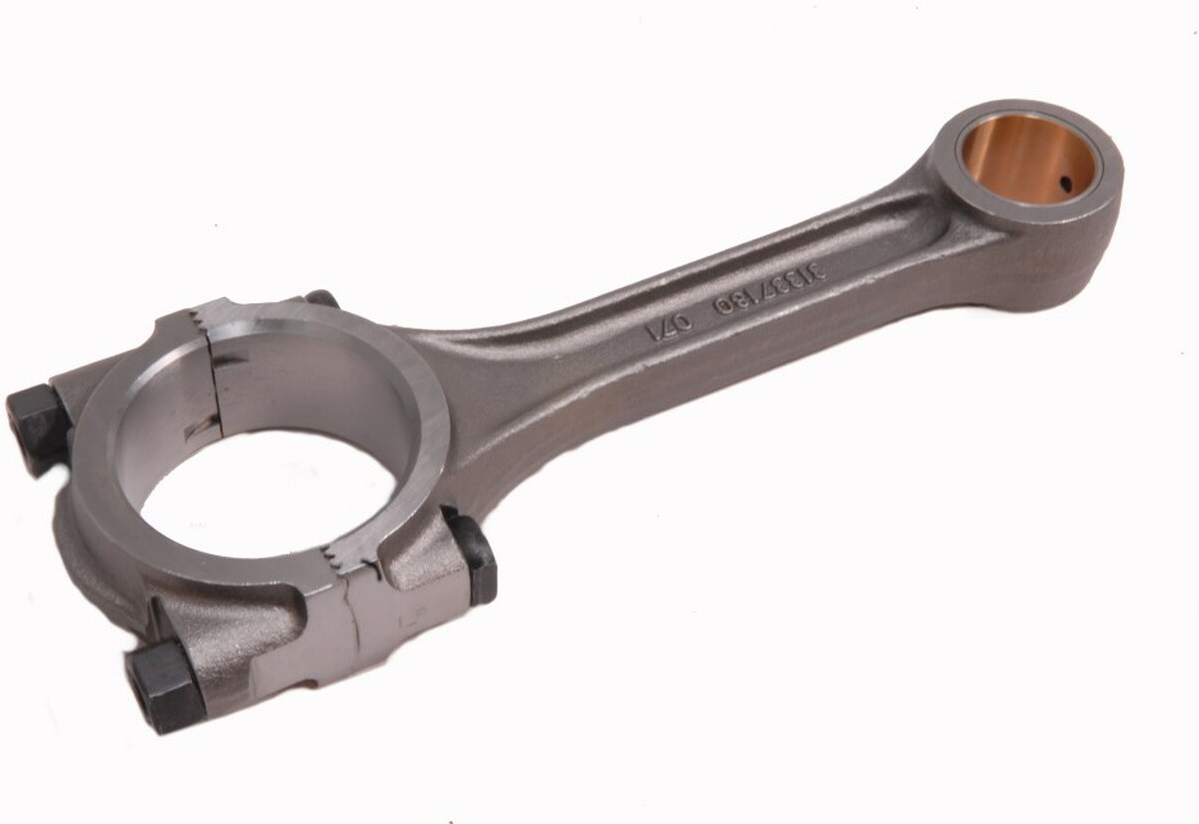
Similar search terms for BF-20060225660-Connecting-Rod
Top-Angebote
Products related to BF-20060225660-Connecting-Rod:
-
BF 20060220660 Connecting RodLength [mm]: 256; Diameter of large connecting rod big end [mm]: 95; Dia. of small connecting rod big end (with bushing) [mm]: 52,06; TecDoc Engine Number: 17370, 18098, 19094, 20363, 20368, 17373, 19097, 19109, 20366, 20396, 17371, 18097, 19095, 20364, 20369, 17372, 19096, 19111, 20365, 20370, 19098, 19099, 22899, 19951, 19974, 23063, 23396, 30600, 30607, 30618, 19975, 23064, 19973, 19976, 22860, 23674, 23675, 23676, 23065, 23684, 23066, 19977, 19978, 23070, 23062, 23673, 23073, 23963, 23964, 23683, 25603, 30514, 30515, 30516, 23965, 20229, 28904, 23083, 23084, 23085, 23081, 41158, 30513, 28905, 41159, 41160, 23685, 19972, 23061, 23672, 23072, 20230, 23067, 19980, 30612188,99 £*Shipping: 1,99 £Secure redirect to the provider
-
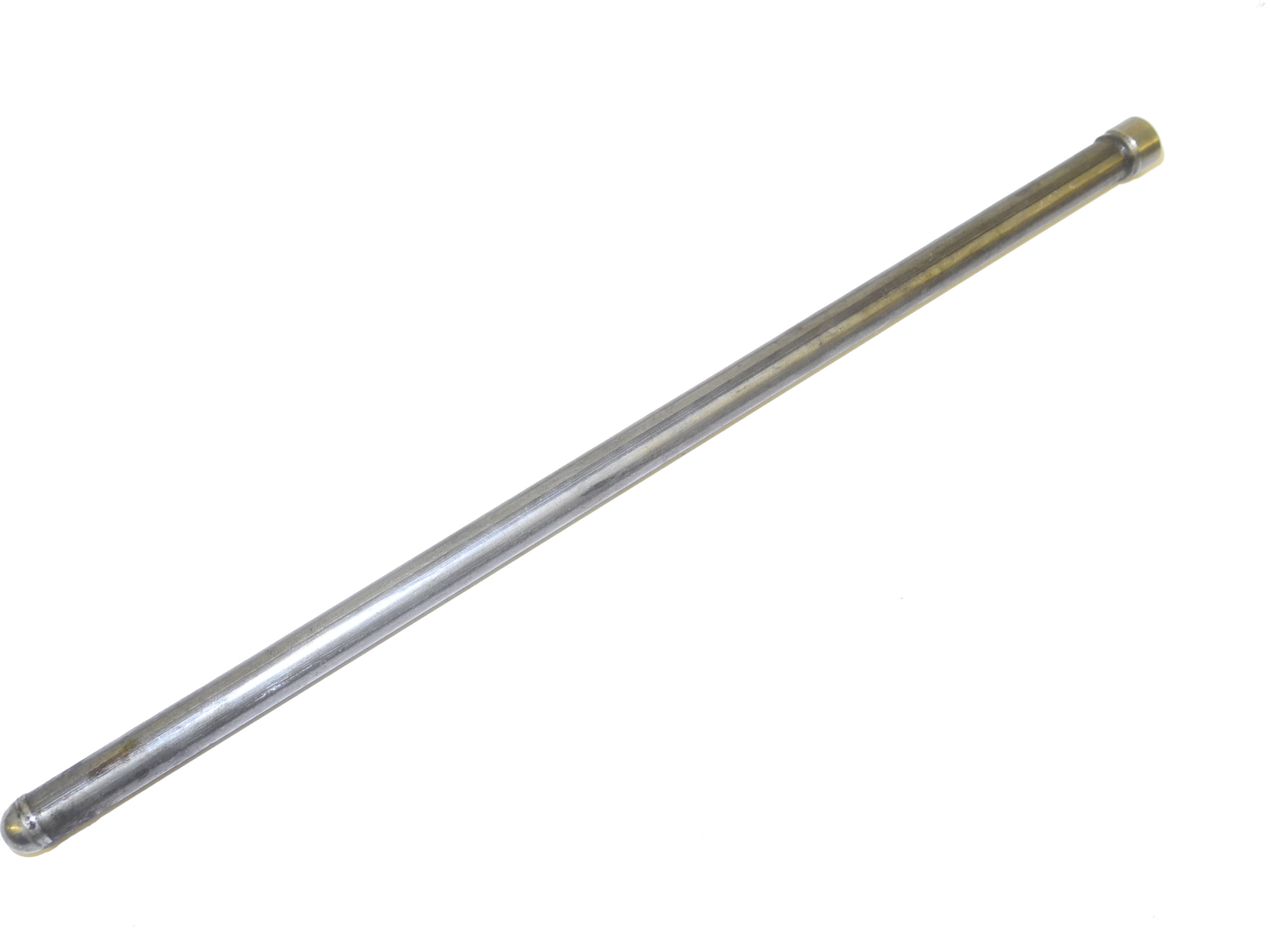
BF 20100208262 Push RodEngine Code: D 0826 LFO 01, D 0826 F, D 0826 GLF, D 0826 LF 04, D 0826 LFL 18, D 0826 LFL 15, D 0826 LUH 13, D 0826 LUH 07, D 0826 LUH 21, D 0826 LUH 12, D 0826 LUH 09, D 0836 LE 508, D 0836 LE 507, D 0836 LE 506, D 0836 LE 505; TecDoc Engine Number: 5648, 5988, 7639, 7647, 7648, 7649, 7655, 7656, 7658, 7659, 7662, 7660, 7661, 9707, 7663, 7664, 7665, 10207, 7681, 7682, 7686, 7687, 7688, 7690, 7691, 7692, 7693, 7694, 7695, 7680, 7683, 7689, 7723, 7725, 10227, 22335, 7726, 7727, 7584, 7585, 7586, 7583, 16248, 7596, 7597, 7599, 7601, 7587, 7588, 7598, 16465, 16466, 7679, 16523, 17419, 20537, 17420, 21293, 16247, 19445, 7600, 21295, 21307, 22331, 23144, 23146, 23147, 23149, 23148, 23150, 23156, 16246, 21303, 21306, 21304, 21292, 21301, 25848, 25849, 22337, 22332, 21302, 21299, 23134, 25847, 21286, 23154, 23155, 23127, 2312811,49 £*Shipping: 8,45 £Secure redirect to the provider
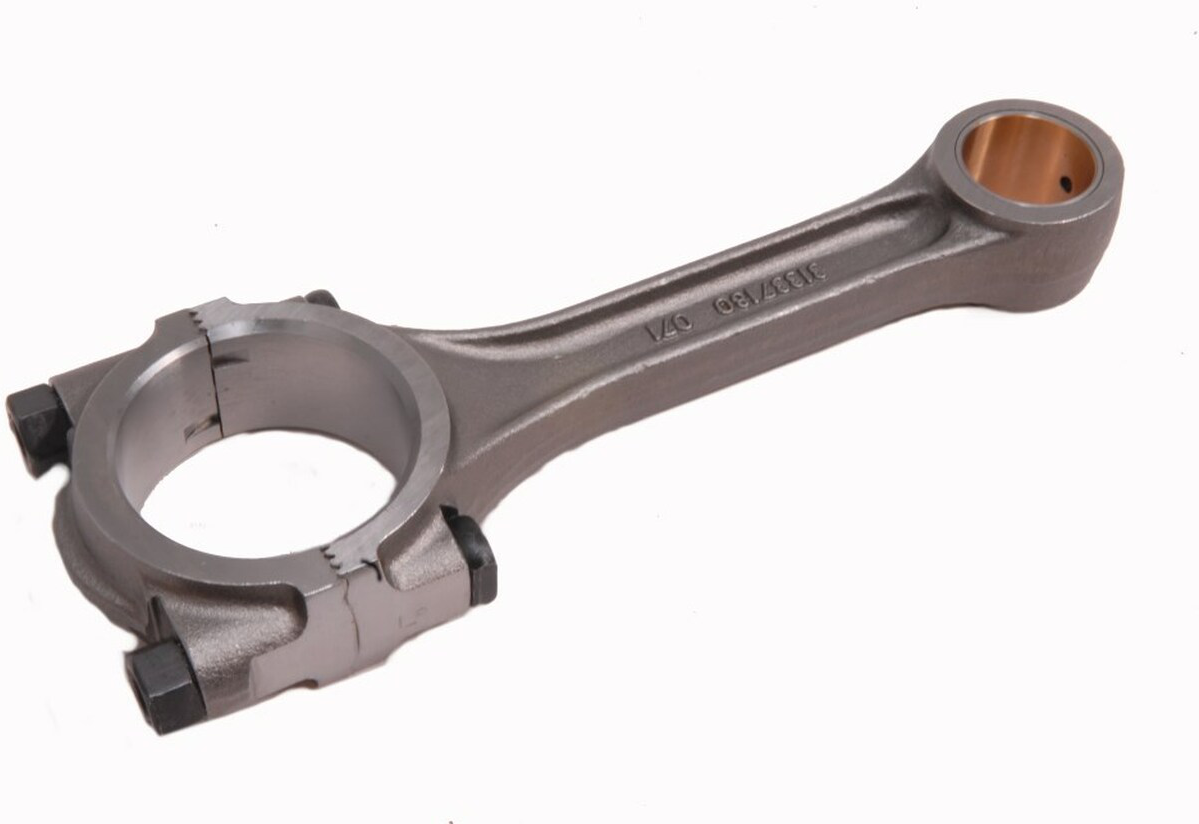

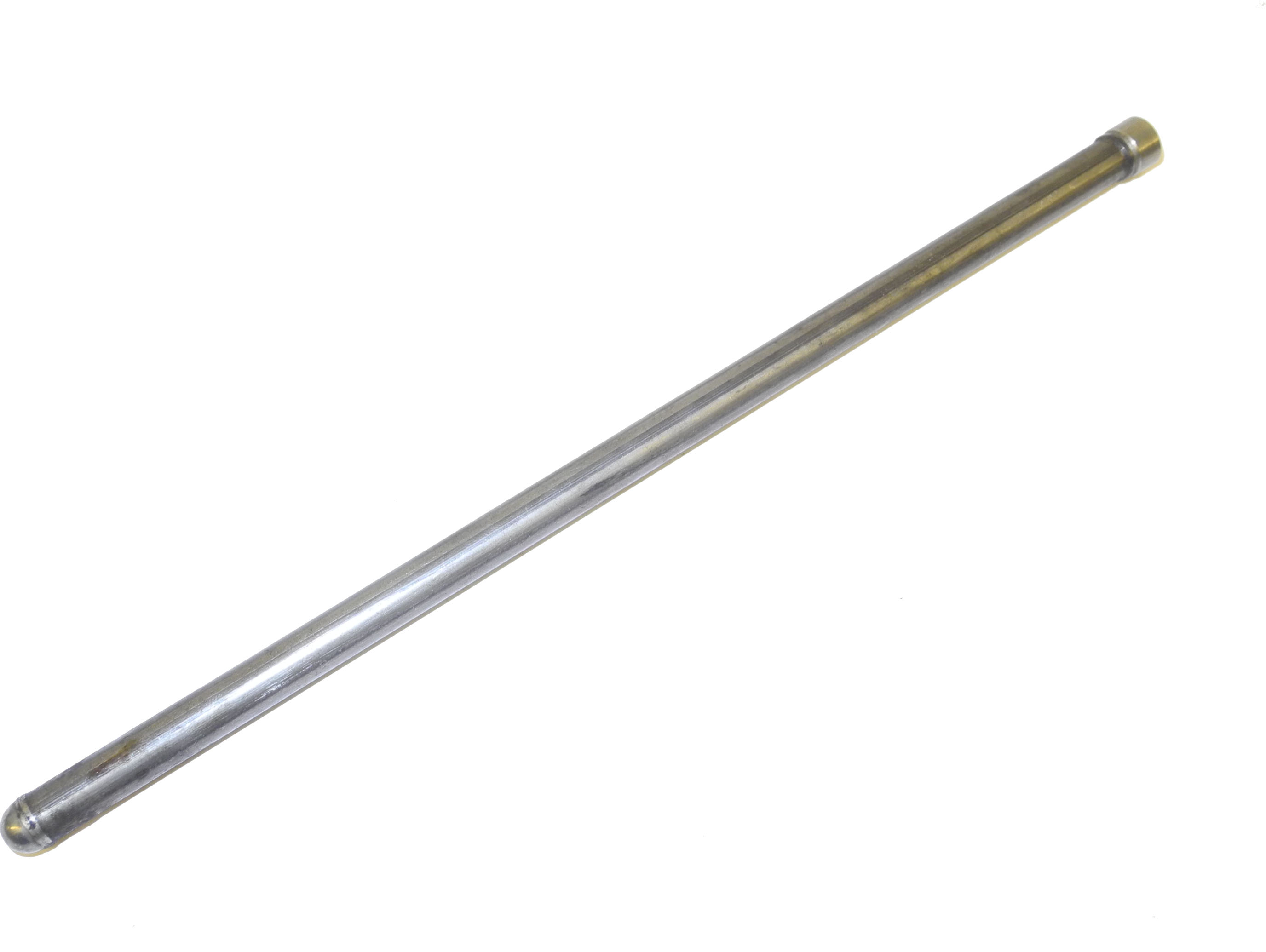
-
How can one disassemble the fishing rod from the fishing rod?
To disassemble a fishing rod, start by removing the reel from the rod by unscrewing it. Next, carefully detach the fishing line from the guides along the length of the rod. Then, gently separate the rod sections by twisting and pulling them apart. Finally, store the pieces in a safe place to prevent damage until you are ready to reassemble the fishing rod. **
-
How can you disassemble the fishing rod from the fishing rod?
To disassemble a fishing rod, start by removing the reel from the rod by loosening the reel seat. Next, carefully detach the fishing line from the guides along the rod. Then, gently separate the rod into its individual sections by loosening the ferrules that connect them. Finally, store the rod sections in a safe place to prevent damage. **
-
What is the rod blank on the fishing rod?
The rod blank is the main shaft or body of the fishing rod, typically made of materials such as graphite, fiberglass, or a combination of both. It is the foundation of the rod and provides the strength and flexibility needed to cast and reel in fish. The blank is the part of the rod that determines its overall performance and characteristics, such as sensitivity, power, and action. It is the starting point for building a fishing rod, with guides, reel seat, and handle being added to complete the rod. **
-
How does a connecting rod drive work without dead center?
A connecting rod drive works without dead center by utilizing a mechanism that ensures the piston and crankshaft are never at a complete stop simultaneously. This is achieved by offsetting the crankshaft journal from the centerline of the piston, creating an eccentric motion that prevents the piston from reaching a dead center position. As a result, the engine can continue to operate smoothly without the risk of the piston getting stuck at a dead center position, which could cause the engine to seize. **


Which fishing rod for trout?
When choosing a fishing rod for trout, it is important to consider the type of trout fishing you will be doing. For general trout fishing in streams, rivers, and lakes, a light to medium action spinning rod in the 6 to 7-foot range is a good choice. This type of rod provides the sensitivity needed to feel the subtle bites of trout, while also having enough strength to handle larger fish. Additionally, look for a rod with a fast or extra-fast action for better hook sets and control over the fish. Ultimately, the best fishing rod for trout will depend on your personal preferences and fishing style. **
How does a connecting rod drive work without a dead center?
A connecting rod drive works without a dead center by utilizing a mechanism that allows for continuous motion without any stoppage or reversal of direction. This is achieved by using a crankshaft that converts the reciprocating motion of the connecting rod into rotational motion. The crankshaft is designed in such a way that it maintains a constant rotation, ensuring that there are no dead centers where the motion would come to a halt. This continuous motion allows the engine to operate smoothly and efficiently. **
Top-Angebote
Products related to BF-20060225660-Connecting-Rod:
-
BF 20060393600 Connecting RodLength [mm]: 215; Diameter of large connecting rod big end [mm]: 87; Dia. of small connecting rod big end (with bushing) [mm]: 46,05; TecDoc Engine Number: 27609, 27610, 28096, 28097, 34945, 32231, 32229, 38655, 34251, 34252, 32230, 29322, 30265, 35745, 34946, 37096, 37095, 34257111,99 £*Shipping: 8,45 £Secure redirect to the provider
-
BF 20060220660 Connecting RodLength [mm]: 256; Diameter of large connecting rod big end [mm]: 95; Dia. of small connecting rod big end (with bushing) [mm]: 52,06; TecDoc Engine Number: 17370, 18098, 19094, 20363, 20368, 17373, 19097, 19109, 20366, 20396, 17371, 18097, 19095, 20364, 20369, 17372, 19096, 19111, 20365, 20370, 19098, 19099, 22899, 19951, 19974, 23063, 23396, 30600, 30607, 30618, 19975, 23064, 19973, 19976, 22860, 23674, 23675, 23676, 23065, 23684, 23066, 19977, 19978, 23070, 23062, 23673, 23073, 23963, 23964, 23683, 25603, 30514, 30515, 30516, 23965, 20229, 28904, 23083, 23084, 23085, 23081, 41158, 30513, 28905, 41159, 41160, 23685, 19972, 23061, 23672, 23072, 20230, 23067, 19980, 30612188,99 £*Shipping: 1,99 £Secure redirect to the provider
-
What is a connecting rod bearing 2?
A connecting rod bearing 2 is a component of an engine that helps to reduce friction between the connecting rod and the crankshaft. It is typically made of a durable material such as steel or aluminum and is designed to withstand high levels of stress and heat. The connecting rod bearing 2 plays a crucial role in ensuring smooth operation of the engine by allowing the connecting rod to move freely and smoothly as the engine runs. **
-
What is the connecting rod or the conrod?
The connecting rod, also known as the conrod, is a component in an internal combustion engine that connects the piston to the crankshaft. It plays a crucial role in converting the reciprocating motion of the piston into rotational motion of the crankshaft. The connecting rod is subjected to high forces and must be strong and durable to withstand the stresses of engine operation. It is typically made of steel or aluminum alloy and is a critical component in the engine's power transmission system. **
-
How can one disassemble the fishing rod from the fishing rod?
To disassemble a fishing rod, start by removing the reel from the rod by unscrewing it. Next, carefully detach the fishing line from the guides along the length of the rod. Then, gently separate the rod sections by twisting and pulling them apart. Finally, store the pieces in a safe place to prevent damage until you are ready to reassemble the fishing rod. **
-
How can you disassemble the fishing rod from the fishing rod?
To disassemble a fishing rod, start by removing the reel from the rod by loosening the reel seat. Next, carefully detach the fishing line from the guides along the rod. Then, gently separate the rod into its individual sections by loosening the ferrules that connect them. Finally, store the rod sections in a safe place to prevent damage. **
Similar search terms for BF-20060225660-Connecting-Rod
-
BF 20100208262 Push RodEngine Code: D 0826 LFO 01, D 0826 F, D 0826 GLF, D 0826 LF 04, D 0826 LFL 18, D 0826 LFL 15, D 0826 LUH 13, D 0826 LUH 07, D 0826 LUH 21, D 0826 LUH 12, D 0826 LUH 09, D 0836 LE 508, D 0836 LE 507, D 0836 LE 506, D 0836 LE 505; TecDoc Engine Number: 5648, 5988, 7639, 7647, 7648, 7649, 7655, 7656, 7658, 7659, 7662, 7660, 7661, 9707, 7663, 7664, 7665, 10207, 7681, 7682, 7686, 7687, 7688, 7690, 7691, 7692, 7693, 7694, 7695, 7680, 7683, 7689, 7723, 7725, 10227, 22335, 7726, 7727, 7584, 7585, 7586, 7583, 16248, 7596, 7597, 7599, 7601, 7587, 7588, 7598, 16465, 16466, 7679, 16523, 17419, 20537, 17420, 21293, 16247, 19445, 7600, 21295, 21307, 22331, 23144, 23146, 23147, 23149, 23148, 23150, 23156, 16246, 21303, 21306, 21304, 21292, 21301, 25848, 25849, 22337, 22332, 21302, 21299, 23134, 25847, 21286, 23154, 23155, 23127, 2312811,49 £*Shipping: 8,45 £Secure redirect to the provider
-
What is the rod blank on the fishing rod?
The rod blank is the main shaft or body of the fishing rod, typically made of materials such as graphite, fiberglass, or a combination of both. It is the foundation of the rod and provides the strength and flexibility needed to cast and reel in fish. The blank is the part of the rod that determines its overall performance and characteristics, such as sensitivity, power, and action. It is the starting point for building a fishing rod, with guides, reel seat, and handle being added to complete the rod. **
-
How does a connecting rod drive work without dead center?
A connecting rod drive works without dead center by utilizing a mechanism that ensures the piston and crankshaft are never at a complete stop simultaneously. This is achieved by offsetting the crankshaft journal from the centerline of the piston, creating an eccentric motion that prevents the piston from reaching a dead center position. As a result, the engine can continue to operate smoothly without the risk of the piston getting stuck at a dead center position, which could cause the engine to seize. **
-
Which fishing rod for trout?
When choosing a fishing rod for trout, it is important to consider the type of trout fishing you will be doing. For general trout fishing in streams, rivers, and lakes, a light to medium action spinning rod in the 6 to 7-foot range is a good choice. This type of rod provides the sensitivity needed to feel the subtle bites of trout, while also having enough strength to handle larger fish. Additionally, look for a rod with a fast or extra-fast action for better hook sets and control over the fish. Ultimately, the best fishing rod for trout will depend on your personal preferences and fishing style. **
-
How does a connecting rod drive work without a dead center?
A connecting rod drive works without a dead center by utilizing a mechanism that allows for continuous motion without any stoppage or reversal of direction. This is achieved by using a crankshaft that converts the reciprocating motion of the connecting rod into rotational motion. The crankshaft is designed in such a way that it maintains a constant rotation, ensuring that there are no dead centers where the motion would come to a halt. This continuous motion allows the engine to operate smoothly and efficiently. **
* All prices are inclusive of VAT and, if applicable, plus shipping costs. The offer information is based on the details provided by the respective shop and is updated through automated processes. Real-time updates do not occur, so deviations can occur in individual cases. ** Note: Parts of this content were created by AI.