Buy campingwiki.eu ?
We are moving the project
campingwiki.eu .
Are you interested in purchasing the domain
campingwiki.eu ?
domain@kv-gmbh.de · 0541-91531010
Buy campingwiki.eu ?
What are relative clauses and conjunctional clauses?
Relative clauses are clauses that provide additional information about a noun in the main clause. They are introduced by relative pronouns such as "who," "which," "that," and "whom." For example, in the sentence "The book that I read is very interesting," the relative clause "that I read" provides more information about the noun "book." Conjunctional clauses, on the other hand, are clauses that are connected to the main clause by conjunctions such as "and," "but," "or," "if," and "because." They can express relationships such as addition, contrast, alternative, condition, and cause. For example, in the sentence "I will go to the park if the weather is nice," the conjunctional clause "if the weather is nice" expresses a condition for the action in the main clause. **
What are conjunctional clauses, relative clauses, demonstrative clauses, and infinitive clauses?
Conjunctional clauses are dependent clauses that are introduced by a conjunction, such as "because," "although," or "while." They provide additional information about the main clause in a sentence. Relative clauses are also dependent clauses that provide more information about a noun in the main clause. They are introduced by relative pronouns like "who," "which," or "that." Demonstrative clauses are dependent clauses that function as adjectives and provide more information about a noun in the main clause. They are introduced by demonstrative pronouns like "this," "that," "these," or "those." Infinitive clauses are dependent clauses that are formed with an infinitive verb (to + base form of the verb). They can function as nouns, adjectives, or adverbs in a sentence. **

Similar search terms for Conjunctional
Top-Angebote
Products related to Conjunctional:
-
Multicon Wholesale Hub Portable Wood Burning Tent Stove For Camping, Hiking & Outdoor Cooking Efficient, Eco Friendly, And Durable Portable Wood Burning Tent Stove For Camping, Hiking & Outdoor Cooking Efficient, Eco Friendly, And DurableElevate your outdoor adventures with the Portable Wood Burning Tent Stove. Perfect for camping, hiking, and offgrid cooking, this stove provides a reliable and sustainable heat source. Say goodbye to carrying bulky propane tanks and embrace the...109,97 $*Shipping: 0,00 $Secure redirect to the provider
-
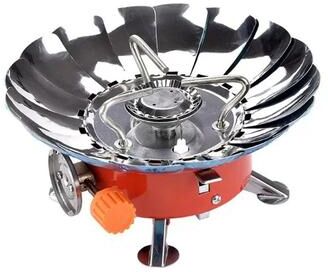
Perfect Picks Market Windproof Portable Camping Stove Foldable Backpacking Gas Burner For Outdoor Cooking Windproof Portable Camping Stove Foldable Backpacking Gas Burner For Outdoor CookingCook anywhere with confidence, even when the weather turns unpredictable. This portable camping stove is designed for adventurers who need reliable heat in the wild without extra bulk. Built with a smart windresistant design, it ensures steady...49,97 $*Shipping: 0,00 $Secure redirect to the provider
-
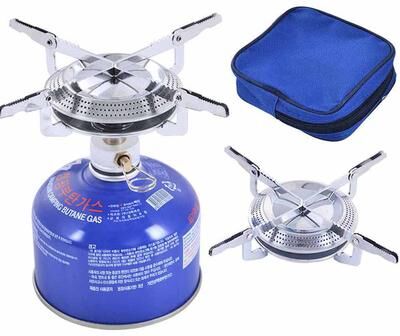
Smart Shopping Spot Camping Stove Folding Gas Burner Compact Backpacking Stove For Outdoor Cooking Camping Stove Folding Gas Burner Compact Backpacking Stove For Outdoor CookingEnjoy hot meals wherever your adventure takes you with this portable camping stove designed for freedom and convenience. Whether you're hiking deep trails or setting up a quick campsite, this compact burner delivers reliable heat in seconds. Built...44,97 $*Shipping: 0,00 $Secure redirect to the provider


-
What is the difference between a conjunctional clause and an adverbial clause?
A conjunctional clause is a type of dependent clause that begins with a subordinating conjunction, such as "because," "although," or "while." It functions to connect the dependent clause to the independent clause and provide additional information about the main clause. An adverbial clause, on the other hand, is a type of dependent clause that functions as an adverb in the sentence, providing information about the time, place, manner, or condition of the action in the main clause. While both types of clauses are dependent and provide additional information, the key difference is that a conjunctional clause connects the dependent clause to the main clause, while an adverbial clause functions as an adverb in the sentence. **
-
What is the difference between a relative clause and a conjunctional clause?
A relative clause is a type of subordinate clause that provides additional information about a noun in the main clause. It typically begins with a relative pronoun such as "who," "which," or "that." A conjunctional clause, on the other hand, is a type of subordinate clause that functions as an adverb, connecting two independent clauses. It typically begins with a subordinating conjunction such as "because," "although," or "while." In summary, the main difference between the two is that a relative clause provides additional information about a noun, while a conjunctional clause connects two independent clauses. **
-
How do I recognize a relative clause, a conjunctional clause, and an interrogative clause?
A relative clause typically starts with a relative pronoun (such as who, whom, whose, which, or that) and provides more information about a noun in the main clause. A conjunctional clause, on the other hand, is introduced by a conjunction (such as and, but, or because) and connects two independent clauses. An interrogative clause is a type of clause that asks a question and is typically introduced by an interrogative pronoun (such as who, what, when, where, why, or how) or an interrogative adverb (such as how, when, or where). **
-
How can I recognize a relative clause, a conjunctional clause, and an interrogative clause?
A relative clause is a type of dependent clause that typically starts with a relative pronoun (such as who, whom, whose, which, or that) and provides additional information about a noun in the main clause. A conjunctional clause, on the other hand, is a dependent clause that functions as an adverb, adjective, or noun in a sentence and is connected to the main clause by a conjunction (such as because, although, if, when, etc.). An interrogative clause is a type of clause that asks a question and typically begins with a question word (such as who, what, where, when, why, or how) or with a helping verb followed by the subject. **


What does backpacking mean?
Backpacking typically refers to a form of low-cost, independent travel where individuals carry all their belongings in a backpack. It often involves staying in budget accommodations, using public transportation, and immersing oneself in local cultures. Backpacking allows for a more adventurous and flexible travel experience, as individuals have the freedom to explore off-the-beaten-path destinations and engage with locals in a more authentic way. **
How can I make campfire bread without a campfire?
You can make campfire bread without a campfire by using a Dutch oven or a cast iron skillet. Simply prepare your bread dough as you normally would, then place it in the Dutch oven or skillet. Next, place the Dutch oven or skillet in your oven and bake the bread at the same temperature and for the same amount of time as you would if you were baking it over a campfire. This method will give you a similar result to campfire bread, with a crispy crust and a soft, fluffy interior. **
Top-Angebote
Products related to Conjunctional:
-
Smart Shopping Spot Camping Gas Stove Foldable Windproof Burner For Backpacking & Outdoor Cooking Camping Gas Stove Foldable Windproof Burner For Backpacking & Outdoor CookingTake your outdoor cooking to the next level with this portable camping stove designed for adventurers who refuse to compromise on convenience. Whether you're hiking deep into the mountains or enjoying a relaxed picnic, this compact yet powerful...44,97 $*Shipping: 0,00 $Secure redirect to the provider
-
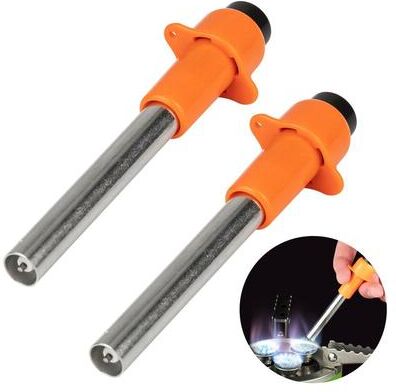
Inspire Daily Merch Portable Outdoor Flame Thrower Lighter Electronic Igniter For Fishing, Camping, Hiking & Cooking 1pcIgnite your next outdoor adventure with the Portable Outdoor Flame Thrower Lighter! This powerful electronic igniter is designed for all your fishing, camping, hiking, and cooking needs. Whether you're lighting a campfire or sparking your grill,...27,97 $*Shipping: 0,00 $Secure redirect to the provider
-
Multicon Wholesale Hub Portable Wood Burning Tent Stove For Camping, Hiking & Outdoor Cooking Efficient, Eco Friendly, And Durable Portable Wood Burning Tent Stove For Camping, Hiking & Outdoor Cooking Efficient, Eco Friendly, And DurableElevate your outdoor adventures with the Portable Wood Burning Tent Stove. Perfect for camping, hiking, and offgrid cooking, this stove provides a reliable and sustainable heat source. Say goodbye to carrying bulky propane tanks and embrace the...109,97 $*Shipping: 0,00 $Secure redirect to the provider
-
Perfect Picks Market Windproof Portable Camping Stove Foldable Backpacking Gas Burner For Outdoor Cooking Windproof Portable Camping Stove Foldable Backpacking Gas Burner For Outdoor CookingCook anywhere with confidence, even when the weather turns unpredictable. This portable camping stove is designed for adventurers who need reliable heat in the wild without extra bulk. Built with a smart windresistant design, it ensures steady...49,97 $*Shipping: 0,00 $Secure redirect to the provider
-
What are relative clauses and conjunctional clauses?
Relative clauses are clauses that provide additional information about a noun in the main clause. They are introduced by relative pronouns such as "who," "which," "that," and "whom." For example, in the sentence "The book that I read is very interesting," the relative clause "that I read" provides more information about the noun "book." Conjunctional clauses, on the other hand, are clauses that are connected to the main clause by conjunctions such as "and," "but," "or," "if," and "because." They can express relationships such as addition, contrast, alternative, condition, and cause. For example, in the sentence "I will go to the park if the weather is nice," the conjunctional clause "if the weather is nice" expresses a condition for the action in the main clause. **
-
What are conjunctional clauses, relative clauses, demonstrative clauses, and infinitive clauses?
Conjunctional clauses are dependent clauses that are introduced by a conjunction, such as "because," "although," or "while." They provide additional information about the main clause in a sentence. Relative clauses are also dependent clauses that provide more information about a noun in the main clause. They are introduced by relative pronouns like "who," "which," or "that." Demonstrative clauses are dependent clauses that function as adjectives and provide more information about a noun in the main clause. They are introduced by demonstrative pronouns like "this," "that," "these," or "those." Infinitive clauses are dependent clauses that are formed with an infinitive verb (to + base form of the verb). They can function as nouns, adjectives, or adverbs in a sentence. **
-
What is the difference between a conjunctional clause and an adverbial clause?
A conjunctional clause is a type of dependent clause that begins with a subordinating conjunction, such as "because," "although," or "while." It functions to connect the dependent clause to the independent clause and provide additional information about the main clause. An adverbial clause, on the other hand, is a type of dependent clause that functions as an adverb in the sentence, providing information about the time, place, manner, or condition of the action in the main clause. While both types of clauses are dependent and provide additional information, the key difference is that a conjunctional clause connects the dependent clause to the main clause, while an adverbial clause functions as an adverb in the sentence. **
-
What is the difference between a relative clause and a conjunctional clause?
A relative clause is a type of subordinate clause that provides additional information about a noun in the main clause. It typically begins with a relative pronoun such as "who," "which," or "that." A conjunctional clause, on the other hand, is a type of subordinate clause that functions as an adverb, connecting two independent clauses. It typically begins with a subordinating conjunction such as "because," "although," or "while." In summary, the main difference between the two is that a relative clause provides additional information about a noun, while a conjunctional clause connects two independent clauses. **
Similar search terms for Conjunctional
-
Smart Shopping Spot Camping Stove Folding Gas Burner Compact Backpacking Stove For Outdoor Cooking Camping Stove Folding Gas Burner Compact Backpacking Stove For Outdoor CookingEnjoy hot meals wherever your adventure takes you with this portable camping stove designed for freedom and convenience. Whether you're hiking deep trails or setting up a quick campsite, this compact burner delivers reliable heat in seconds. Built...44,97 $*Shipping: 0,00 $Secure redirect to the provider
-
Inspire Daily Merch Portable Camping Stove Foldable Mini Gas Burner For Backpacking And Outdoor Cooking Portable Camping Stove Foldable Mini Gas Burner For Backpacking And Outdoor CookingA hot meal in the outdoors should be simple, fast, and reliable. This portable camping stove is designed for adventurers who want powerful cooking performance without carrying bulky gear. Compact yet powerful, this mini gas camping stove delivers...39,97 $*Shipping: 0,00 $Secure redirect to the provider
-
All Categories Goods Camping Stove Burner Adapter, Portable Picnic Backpacking Burner, Compact Cassette For Outdoor Cooking Camping Stove Burner Adapter, Portable Picnic Backpacking Burner, Compact Cassette For Outdoor CookingCamping Stove Burner Adapter Portable Picnic Backpacking Burner + Cassette Make your outdoor adventures even better with the Camping Stove Burner Adapter. Perfect for picnics, backpacking, and camping, this compact and lightweight burner adapter...109,97 $*Shipping: 0,00 $Secure redirect to the provider
-
How do I recognize a relative clause, a conjunctional clause, and an interrogative clause?
A relative clause typically starts with a relative pronoun (such as who, whom, whose, which, or that) and provides more information about a noun in the main clause. A conjunctional clause, on the other hand, is introduced by a conjunction (such as and, but, or because) and connects two independent clauses. An interrogative clause is a type of clause that asks a question and is typically introduced by an interrogative pronoun (such as who, what, when, where, why, or how) or an interrogative adverb (such as how, when, or where). **
-
How can I recognize a relative clause, a conjunctional clause, and an interrogative clause?
A relative clause is a type of dependent clause that typically starts with a relative pronoun (such as who, whom, whose, which, or that) and provides additional information about a noun in the main clause. A conjunctional clause, on the other hand, is a dependent clause that functions as an adverb, adjective, or noun in a sentence and is connected to the main clause by a conjunction (such as because, although, if, when, etc.). An interrogative clause is a type of clause that asks a question and typically begins with a question word (such as who, what, where, when, why, or how) or with a helping verb followed by the subject. **
-
What does backpacking mean?
Backpacking typically refers to a form of low-cost, independent travel where individuals carry all their belongings in a backpack. It often involves staying in budget accommodations, using public transportation, and immersing oneself in local cultures. Backpacking allows for a more adventurous and flexible travel experience, as individuals have the freedom to explore off-the-beaten-path destinations and engage with locals in a more authentic way. **
-
How can I make campfire bread without a campfire?
You can make campfire bread without a campfire by using a Dutch oven or a cast iron skillet. Simply prepare your bread dough as you normally would, then place it in the Dutch oven or skillet. Next, place the Dutch oven or skillet in your oven and bake the bread at the same temperature and for the same amount of time as you would if you were baking it over a campfire. This method will give you a similar result to campfire bread, with a crispy crust and a soft, fluffy interior. **
* All prices are inclusive of VAT and, if applicable, plus shipping costs. The offer information is based on the details provided by the respective shop and is updated through automated processes. Real-time updates do not occur, so deviations can occur in individual cases. ** Note: Parts of this content were created by AI.