Buy campingwiki.eu ?
We are moving the project
campingwiki.eu .
Are you interested in purchasing the domain
campingwiki.eu ?
domain@kv-gmbh.de · 0541-91531010
Buy campingwiki.eu ?
Is cooking pasta an osmotic process?
No, cooking pasta is not an osmotic process. Osmosis is the movement of water molecules across a semi-permeable membrane from an area of lower solute concentration to an area of higher solute concentration. When cooking pasta, the process involves the absorption of water by the pasta, but it does not involve the movement of water across a semi-permeable membrane. Instead, the pasta absorbs water through the process of hydration, which softens the pasta and makes it edible. **
How does the weight of pasta change after cooking?
The weight of pasta typically increases after cooking. This is because the pasta absorbs water during the cooking process, causing it to swell and become heavier. The amount of water absorbed depends on the type of pasta and how long it is cooked for. Generally, pasta can increase in weight by about 50-80% after cooking. **
Similar search terms for Fante-s-Fantes-Pasta
Top-Angebote
Products related to Fante-s-Fantes-Pasta:
-
Fante's Fantes Ravioli Pasta Attachment, for Great Aunt Gina's Pasta MachineFantes Uncle Nick's Ravioli attachment for Great Aunt Gina's Pasta Machine forms, cuts, and seals filling inside square 1.75-inch ravioli noodles for authentic pasta with consistent results in as little as 20 minutes.46,49 $*Shipping: 0,00 $Secure redirect to the provider
-
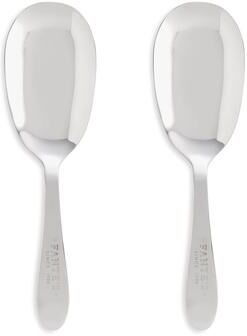
Fante's Fantes Pasta Serving Spoon, Set of 2Fantes Mama Mariella's Pasta Serving Spoon is specially designed with a shallow bowl to scoop and serve generous portions of ravioli, gnocchi, tortellini, penne, ziti, agnolotti, and other delicate pastas without them breaking apart.23,19 $*Shipping: 0,00 $Secure redirect to the provider
-
Fante's Fantes Non-Stick Cavatelli Maker Machine for Authentic Italian PastaFantes Cousin Elisa's Cavatelli Maker easily creates authentic stuffed pasta. Quickly form and cut dozens of cavatelli pasta with the ideal shape and texture to pick up and hold onto any delicious sauce.49,99 $*Shipping: 0,00 $Secure redirect to the provider


-
Can I pour oil on the pasta after cooking?
Yes, you can pour oil on the pasta after cooking to prevent it from sticking together. However, it is more effective to toss the cooked pasta with a little oil while it is still warm to evenly coat the strands. Additionally, using a small amount of the pasta cooking water can also help prevent sticking and create a better sauce consistency. **
-
Can I add oil to the pasta after cooking?
Yes, you can add oil to the pasta after cooking to prevent it from sticking together. However, it's not necessary if you are going to use a sauce with the pasta, as the sauce will also prevent sticking. If you do decide to add oil, toss the pasta in a small amount of olive oil right after draining it to evenly coat the noodles. Keep in mind that adding oil may make it more difficult for the sauce to stick to the pasta. **
-
Do you add oil to the water when cooking pasta?
Yes, it is not necessary to add oil to the water when cooking pasta. The oil will not prevent the pasta from sticking together, as the starch in the pasta is what causes it to stick. Instead, it is recommended to stir the pasta occasionally while cooking to prevent it from clumping together. Additionally, adding oil to the water can make it more difficult for sauces to adhere to the pasta later on. **
-
Why is the recommended cooking time for pasta so inconsistent?
The recommended cooking time for pasta can be inconsistent because it depends on various factors such as the type of pasta, its thickness, and the altitude at which it is being cooked. Different types of pasta may require different cooking times, and the thickness of the pasta can also affect the cooking time. Additionally, the altitude at which the pasta is being cooked can impact the boiling point of water, which in turn affects the cooking time. Therefore, it is important to follow the specific cooking instructions on the pasta packaging and adjust the cooking time based on these factors. **


What is the water temperature and cooking time for pasta?
The water temperature for cooking pasta is typically brought to a boil, which is around 212°F (100°C). The cooking time for pasta can vary depending on the type and thickness of the pasta, but it usually ranges from 8 to 12 minutes. It is important to follow the instructions on the pasta package for the specific cooking time. **
How do I salt the cooking water for orzo pasta?
To properly salt the cooking water for orzo pasta, you should fill a large pot with water and bring it to a boil. Once the water is boiling, add a generous amount of salt to the water. A good rule of thumb is to add about 1-2 tablespoons of salt for every 4-6 cups of water. Stir the water to dissolve the salt before adding the orzo pasta. This step is important as it helps to season the pasta as it cooks, enhancing its flavor. **
Top-Angebote
Products related to Fante-s-Fantes-Pasta:
-
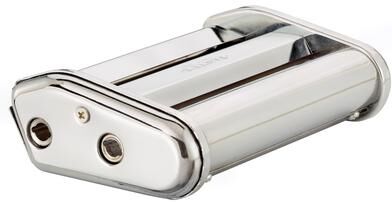
Fante's Fantes Angel Hair Wavy Lasagna Attachment, for Fantes Pasta MachineFantes Cousin Carla's Angel Hair and Wavy Lasagna attachment for Great Aunt Gina's Pasta Machine cuts authentic pasta with consistent results in as little as 20 minutes.46,49 $*Shipping: 0,00 $Secure redirect to the provider
-
Fante's Fantes Ravioli Pasta Attachment, for Great Aunt Gina's Pasta MachineFantes Uncle Nick's Ravioli attachment for Great Aunt Gina's Pasta Machine forms, cuts, and seals filling inside square 1.75-inch ravioli noodles for authentic pasta with consistent results in as little as 20 minutes.46,49 $*Shipping: 0,00 $Secure redirect to the provider
-
Is cooking pasta an osmotic process?
No, cooking pasta is not an osmotic process. Osmosis is the movement of water molecules across a semi-permeable membrane from an area of lower solute concentration to an area of higher solute concentration. When cooking pasta, the process involves the absorption of water by the pasta, but it does not involve the movement of water across a semi-permeable membrane. Instead, the pasta absorbs water through the process of hydration, which softens the pasta and makes it edible. **
-
How does the weight of pasta change after cooking?
The weight of pasta typically increases after cooking. This is because the pasta absorbs water during the cooking process, causing it to swell and become heavier. The amount of water absorbed depends on the type of pasta and how long it is cooked for. Generally, pasta can increase in weight by about 50-80% after cooking. **
-
Can I pour oil on the pasta after cooking?
Yes, you can pour oil on the pasta after cooking to prevent it from sticking together. However, it is more effective to toss the cooked pasta with a little oil while it is still warm to evenly coat the strands. Additionally, using a small amount of the pasta cooking water can also help prevent sticking and create a better sauce consistency. **
-
Can I add oil to the pasta after cooking?
Yes, you can add oil to the pasta after cooking to prevent it from sticking together. However, it's not necessary if you are going to use a sauce with the pasta, as the sauce will also prevent sticking. If you do decide to add oil, toss the pasta in a small amount of olive oil right after draining it to evenly coat the noodles. Keep in mind that adding oil may make it more difficult for the sauce to stick to the pasta. **
Similar search terms for Fante-s-Fantes-Pasta
-
Fante's Fantes Pasta Serving Spoon, Set of 2Fantes Mama Mariella's Pasta Serving Spoon is specially designed with a shallow bowl to scoop and serve generous portions of ravioli, gnocchi, tortellini, penne, ziti, agnolotti, and other delicate pastas without them breaking apart.23,19 $*Shipping: 0,00 $Secure redirect to the provider
-
Fante's Fantes Non-Stick Cavatelli Maker Machine for Authentic Italian PastaFantes Cousin Elisa's Cavatelli Maker easily creates authentic stuffed pasta. Quickly form and cut dozens of cavatelli pasta with the ideal shape and texture to pick up and hold onto any delicious sauce.49,99 $*Shipping: 0,00 $Secure redirect to the provider
-
Fante's Fantes Ravioli Pasta Attachment, for Uncle Mario's Supreme Pasta Machine, The Italian Market Original since 1906Fantes Uncle Mario's Ravioli Pasta Attachment for Uncle Mario's Supreme Pasta Machine forms, cuts, and seals filling inside 1-inch square ravioli that cooks evenly.36,99 $*Shipping: 0,00 $Secure redirect to the provider
-
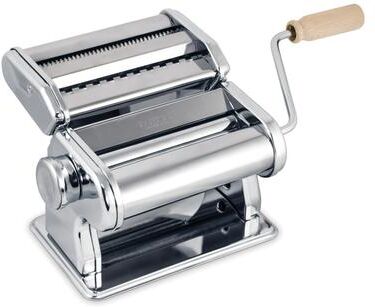
Fante's Fantes Wide Pasta Machine with Double Pasta Cutter for Spaghetti and Fettuccine, The Italian Market Original since 1906Fantes Cousin Angelo's Wide Pasta Machine with Double Pasta Cutter rolls homemade pasta sheets and cuts spaghetti or fettuccine noodles with consistent results.48,99 $*Shipping: 0,00 $Secure redirect to the provider
-
Do you add oil to the water when cooking pasta?
Yes, it is not necessary to add oil to the water when cooking pasta. The oil will not prevent the pasta from sticking together, as the starch in the pasta is what causes it to stick. Instead, it is recommended to stir the pasta occasionally while cooking to prevent it from clumping together. Additionally, adding oil to the water can make it more difficult for sauces to adhere to the pasta later on. **
-
Why is the recommended cooking time for pasta so inconsistent?
The recommended cooking time for pasta can be inconsistent because it depends on various factors such as the type of pasta, its thickness, and the altitude at which it is being cooked. Different types of pasta may require different cooking times, and the thickness of the pasta can also affect the cooking time. Additionally, the altitude at which the pasta is being cooked can impact the boiling point of water, which in turn affects the cooking time. Therefore, it is important to follow the specific cooking instructions on the pasta packaging and adjust the cooking time based on these factors. **
-
What is the water temperature and cooking time for pasta?
The water temperature for cooking pasta is typically brought to a boil, which is around 212°F (100°C). The cooking time for pasta can vary depending on the type and thickness of the pasta, but it usually ranges from 8 to 12 minutes. It is important to follow the instructions on the pasta package for the specific cooking time. **
-
How do I salt the cooking water for orzo pasta?
To properly salt the cooking water for orzo pasta, you should fill a large pot with water and bring it to a boil. Once the water is boiling, add a generous amount of salt to the water. A good rule of thumb is to add about 1-2 tablespoons of salt for every 4-6 cups of water. Stir the water to dissolve the salt before adding the orzo pasta. This step is important as it helps to season the pasta as it cooks, enhancing its flavor. **
* All prices are inclusive of VAT and, if applicable, plus shipping costs. The offer information is based on the details provided by the respective shop and is updated through automated processes. Real-time updates do not occur, so deviations can occur in individual cases. ** Note: Parts of this content were created by AI.