Buy campingwiki.eu ?
We are moving the project
campingwiki.eu .
Are you interested in purchasing the domain
campingwiki.eu ?
domain@kv-gmbh.de · 0541-91531010
Buy campingwiki.eu ?
Is glyphosate an organic compound?
No, glyphosate is not an organic compound. It is a synthetic compound that is classified as an organophosphorus compound. Glyphosate is a broad-spectrum herbicide that is widely used in agriculture to kill weeds. Organic compounds, on the other hand, are compounds that contain carbon-hydrogen bonds and are typically found in living organisms. **
How does glyphosate affect surfaces?
Glyphosate, the active ingredient in many herbicides, can affect surfaces in several ways. When applied to plants, glyphosate is absorbed and inhibits the production of essential amino acids, leading to the death of the plant. This can result in the surfaces becoming dry and brittle as the plants die off. Additionally, glyphosate can also bind to soil particles, potentially affecting the soil surface and its ability to support plant growth. Overall, glyphosate can have a significant impact on the surfaces it comes into contact with, leading to changes in plant and soil health. **

Similar search terms for Glyphosate
Top-Angebote
Products related to Glyphosate:
-
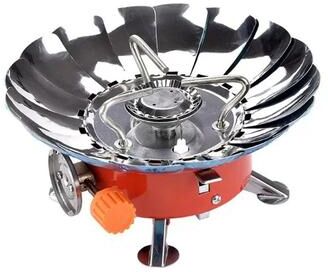
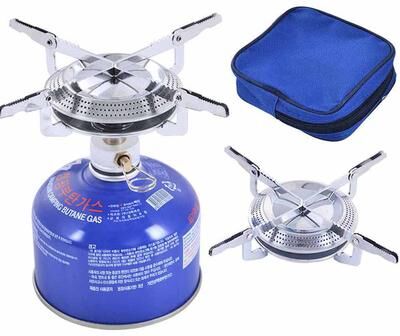
Smart Shopping Spot Camping Stove Folding Gas Burner Compact Backpacking Stove For Outdoor Cooking Camping Stove Folding Gas Burner Compact Backpacking Stove For Outdoor CookingEnjoy hot meals wherever your adventure takes you with this portable camping stove designed for freedom and convenience. Whether you're hiking deep trails or setting up a quick campsite, this compact burner delivers reliable heat in seconds. Built...44,97 $*Shipping: 0,00 $Secure redirect to the provider
-
Perfect Picks Market Windproof Portable Camping Stove Foldable Backpacking Gas Burner For Outdoor Cooking Windproof Portable Camping Stove Foldable Backpacking Gas Burner For Outdoor CookingCook anywhere with confidence, even when the weather turns unpredictable. This portable camping stove is designed for adventurers who need reliable heat in the wild without extra bulk. Built with a smart windresistant design, it ensures steady...49,97 $*Shipping: 0,00 $Secure redirect to the provider
-
Multicon Wholesale Hub Portable Wood Burning Tent Stove For Camping, Hiking & Outdoor Cooking Efficient, Eco Friendly, And Durable Portable Wood Burning Tent Stove For Camping, Hiking & Outdoor Cooking Efficient, Eco Friendly, And DurableElevate your outdoor adventures with the Portable Wood Burning Tent Stove. Perfect for camping, hiking, and offgrid cooking, this stove provides a reliable and sustainable heat source. Say goodbye to carrying bulky propane tanks and embrace the...109,97 $*Shipping: 0,00 $Secure redirect to the provider


-
Should glyphosate be banned as far as possible?
The decision to ban glyphosate should be based on a thorough evaluation of its risks and benefits. While glyphosate is a widely used herbicide that helps control weeds and increase crop yields, there are concerns about its potential health and environmental impacts. If safer alternatives are available and feasible, then glyphosate should be phased out to minimize these risks. However, a complete ban may have negative consequences for farmers and food production, so a balanced approach considering all factors is necessary. **
-
How is a glyphosate-resistant soybean plant produced?
A glyphosate-resistant soybean plant is produced through a process called genetic engineering. Scientists identify and isolate the gene responsible for glyphosate resistance, often from a bacterium called Agrobacterium sp. strain CP4. This gene is then inserted into the soybean plant's genome using a technique called gene transfer. The resulting genetically modified soybean plant is able to produce an enzyme that degrades glyphosate, allowing it to survive exposure to the herbicide. This process allows farmers to effectively control weeds in their soybean fields without harming the crop. **
-
What is the concentration of glyphosate in water bodies?
The concentration of glyphosate in water bodies can vary depending on factors such as agricultural runoff, application rates, and proximity to areas where glyphosate is used. Studies have found that glyphosate can be detected in surface water, groundwater, and even drinking water sources. The concentration of glyphosate in water bodies is a concern because of its potential impact on aquatic ecosystems and human health. Regulatory agencies in different countries have set limits on the allowable concentration of glyphosate in water to protect the environment and public health. **
-
How can I create a research paper on glyphosate?
To create a research paper on glyphosate, start by conducting a thorough literature review to understand the current state of research on the topic. This will help you identify gaps in the existing knowledge and formulate a research question. Next, design a research methodology that will allow you to collect and analyze data related to glyphosate, such as its effects on human health, the environment, and its use in agriculture. Ensure that your research paper includes a clear introduction, literature review, methodology, results, discussion, and conclusion. Finally, make sure to cite all sources properly and adhere to the formatting guidelines provided by your instructor or the publication you are submitting to. **

Is it possible for Glyphosate to naturally leave the body?
Glyphosate is not naturally broken down or metabolized by the human body, so it does not easily leave the body on its own. Instead, it is primarily excreted through urine and feces. The elimination half-life of glyphosate in the body is relatively short, around 3-5 days, meaning that it can be cleared from the body within a few days after exposure. However, prolonged or repeated exposure to glyphosate can lead to its accumulation in the body. **
Is a natural elimination of glyphosate from the body possible?
Yes, the human body can naturally eliminate glyphosate through a process called metabolism. Glyphosate is broken down in the liver by enzymes and then excreted through urine or feces. However, in cases of high or chronic exposure, the body may not be able to eliminate glyphosate fast enough, leading to potential health risks. It is important to limit exposure to glyphosate by following safety guidelines and consuming organic foods whenever possible. **
Top-Angebote
Products related to Glyphosate:
-
Smart Shopping Spot Camping Gas Stove Foldable Windproof Burner For Backpacking & Outdoor Cooking Camping Gas Stove Foldable Windproof Burner For Backpacking & Outdoor CookingTake your outdoor cooking to the next level with this portable camping stove designed for adventurers who refuse to compromise on convenience. Whether you're hiking deep into the mountains or enjoying a relaxed picnic, this compact yet powerful...44,97 $*Shipping: 0,00 $Secure redirect to the provider
-
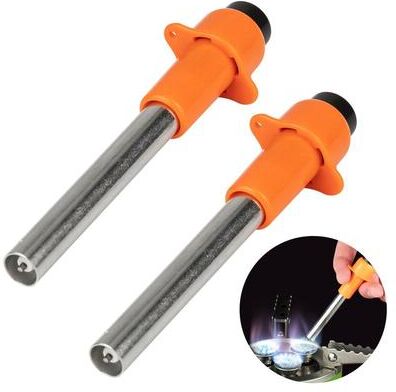
Inspire Daily Merch Portable Outdoor Flame Thrower Lighter Electronic Igniter For Fishing, Camping, Hiking & Cooking 2pcsIgnite your next outdoor adventure with the Portable Outdoor Flame Thrower Lighter! This powerful electronic igniter is designed for all your fishing, camping, hiking, and cooking needs. Whether you're lighting a campfire or sparking your grill,...34,97 $*Shipping: 0,00 $Secure redirect to the provider
-
Smart Shopping Spot Camping Stove Folding Gas Burner Compact Backpacking Stove For Outdoor Cooking Camping Stove Folding Gas Burner Compact Backpacking Stove For Outdoor CookingEnjoy hot meals wherever your adventure takes you with this portable camping stove designed for freedom and convenience. Whether you're hiking deep trails or setting up a quick campsite, this compact burner delivers reliable heat in seconds. Built...44,97 $*Shipping: 0,00 $Secure redirect to the provider
-
Perfect Picks Market Windproof Portable Camping Stove Foldable Backpacking Gas Burner For Outdoor Cooking Windproof Portable Camping Stove Foldable Backpacking Gas Burner For Outdoor CookingCook anywhere with confidence, even when the weather turns unpredictable. This portable camping stove is designed for adventurers who need reliable heat in the wild without extra bulk. Built with a smart windresistant design, it ensures steady...49,97 $*Shipping: 0,00 $Secure redirect to the provider
-
Is glyphosate an organic compound?
No, glyphosate is not an organic compound. It is a synthetic compound that is classified as an organophosphorus compound. Glyphosate is a broad-spectrum herbicide that is widely used in agriculture to kill weeds. Organic compounds, on the other hand, are compounds that contain carbon-hydrogen bonds and are typically found in living organisms. **
-
How does glyphosate affect surfaces?
Glyphosate, the active ingredient in many herbicides, can affect surfaces in several ways. When applied to plants, glyphosate is absorbed and inhibits the production of essential amino acids, leading to the death of the plant. This can result in the surfaces becoming dry and brittle as the plants die off. Additionally, glyphosate can also bind to soil particles, potentially affecting the soil surface and its ability to support plant growth. Overall, glyphosate can have a significant impact on the surfaces it comes into contact with, leading to changes in plant and soil health. **
-
Should glyphosate be banned as far as possible?
The decision to ban glyphosate should be based on a thorough evaluation of its risks and benefits. While glyphosate is a widely used herbicide that helps control weeds and increase crop yields, there are concerns about its potential health and environmental impacts. If safer alternatives are available and feasible, then glyphosate should be phased out to minimize these risks. However, a complete ban may have negative consequences for farmers and food production, so a balanced approach considering all factors is necessary. **
-
How is a glyphosate-resistant soybean plant produced?
A glyphosate-resistant soybean plant is produced through a process called genetic engineering. Scientists identify and isolate the gene responsible for glyphosate resistance, often from a bacterium called Agrobacterium sp. strain CP4. This gene is then inserted into the soybean plant's genome using a technique called gene transfer. The resulting genetically modified soybean plant is able to produce an enzyme that degrades glyphosate, allowing it to survive exposure to the herbicide. This process allows farmers to effectively control weeds in their soybean fields without harming the crop. **
Similar search terms for Glyphosate
-
Multicon Wholesale Hub Portable Wood Burning Tent Stove For Camping, Hiking & Outdoor Cooking Efficient, Eco Friendly, And Durable Portable Wood Burning Tent Stove For Camping, Hiking & Outdoor Cooking Efficient, Eco Friendly, And DurableElevate your outdoor adventures with the Portable Wood Burning Tent Stove. Perfect for camping, hiking, and offgrid cooking, this stove provides a reliable and sustainable heat source. Say goodbye to carrying bulky propane tanks and embrace the...109,97 $*Shipping: 0,00 $Secure redirect to the provider
-
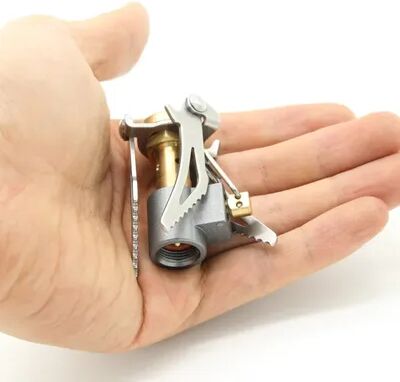
Inspire Daily Merch Portable Camping Stove Foldable Mini Gas Burner For Backpacking And Outdoor Cooking Portable Camping Stove Foldable Mini Gas Burner For Backpacking And Outdoor CookingA hot meal in the outdoors should be simple, fast, and reliable. This portable camping stove is designed for adventurers who want powerful cooking performance without carrying bulky gear. Compact yet powerful, this mini gas camping stove delivers...39,97 $*Shipping: 0,00 $Secure redirect to the provider
-
All Categories Goods Camping Stove Burner Adapter, Portable Picnic Backpacking Burner, Compact Cassette For Outdoor Cooking Camping Stove Burner Adapter, Portable Picnic Backpacking Burner, Compact Cassette For Outdoor CookingCamping Stove Burner Adapter Portable Picnic Backpacking Burner + Cassette Make your outdoor adventures even better with the Camping Stove Burner Adapter. Perfect for picnics, backpacking, and camping, this compact and lightweight burner adapter...109,97 $*Shipping: 0,00 $Secure redirect to the provider
-
What is the concentration of glyphosate in water bodies?
The concentration of glyphosate in water bodies can vary depending on factors such as agricultural runoff, application rates, and proximity to areas where glyphosate is used. Studies have found that glyphosate can be detected in surface water, groundwater, and even drinking water sources. The concentration of glyphosate in water bodies is a concern because of its potential impact on aquatic ecosystems and human health. Regulatory agencies in different countries have set limits on the allowable concentration of glyphosate in water to protect the environment and public health. **
-
How can I create a research paper on glyphosate?
To create a research paper on glyphosate, start by conducting a thorough literature review to understand the current state of research on the topic. This will help you identify gaps in the existing knowledge and formulate a research question. Next, design a research methodology that will allow you to collect and analyze data related to glyphosate, such as its effects on human health, the environment, and its use in agriculture. Ensure that your research paper includes a clear introduction, literature review, methodology, results, discussion, and conclusion. Finally, make sure to cite all sources properly and adhere to the formatting guidelines provided by your instructor or the publication you are submitting to. **
-
Is it possible for Glyphosate to naturally leave the body?
Glyphosate is not naturally broken down or metabolized by the human body, so it does not easily leave the body on its own. Instead, it is primarily excreted through urine and feces. The elimination half-life of glyphosate in the body is relatively short, around 3-5 days, meaning that it can be cleared from the body within a few days after exposure. However, prolonged or repeated exposure to glyphosate can lead to its accumulation in the body. **
-
Is a natural elimination of glyphosate from the body possible?
Yes, the human body can naturally eliminate glyphosate through a process called metabolism. Glyphosate is broken down in the liver by enzymes and then excreted through urine or feces. However, in cases of high or chronic exposure, the body may not be able to eliminate glyphosate fast enough, leading to potential health risks. It is important to limit exposure to glyphosate by following safety guidelines and consuming organic foods whenever possible. **
* All prices are inclusive of VAT and, if applicable, plus shipping costs. The offer information is based on the details provided by the respective shop and is updated through automated processes. Real-time updates do not occur, so deviations can occur in individual cases. ** Note: Parts of this content were created by AI.