Buy campingwiki.eu ?
We are moving the project
campingwiki.eu .
Are you interested in purchasing the domain
campingwiki.eu ?
domain@kv-gmbh.de · 0541-91531010
Buy campingwiki.eu ?
Where should the cutoff frequencies of high-pass, low-pass, and band-pass filters be placed?
The cutoff frequencies of high-pass filters should be placed above the frequency range of interest, allowing only high frequencies to pass through. For low-pass filters, the cutoff frequencies should be placed below the frequency range of interest, allowing only low frequencies to pass through. In the case of band-pass filters, the cutoff frequencies should be placed within the desired frequency range to allow a specific band of frequencies to pass through while attenuating others. **
What are bass, treble, and low-pass settings?
Bass, treble, and low-pass settings are audio equalization controls commonly found on audio devices such as stereos, amplifiers, and headphones. Bass controls adjust the lower frequencies, allowing you to increase or decrease the depth and richness of the sound. Treble controls adjust the higher frequencies, enabling you to enhance or reduce the clarity and brightness of the sound. Low-pass settings are filters that allow frequencies below a certain point to pass through, typically used to control the amount of bass in the audio output. **
Similar search terms for Low-pass
Top-Angebote
Products related to Low-pass:
-
Smart Shopping Spot Camping Gas Stove Foldable Windproof Burner For Backpacking & Outdoor Cooking Camping Gas Stove Foldable Windproof Burner For Backpacking & Outdoor CookingTake your outdoor cooking to the next level with this portable camping stove designed for adventurers who refuse to compromise on convenience. Whether you're hiking deep into the mountains or enjoying a relaxed picnic, this compact yet powerful...44,97 $*Shipping: 0,00 $Secure redirect to the provider
-
Northwest Hasbro Monopoly Pass Go Silk Touch Throw Blanket"Indulge in ultimate comfort and softness with Hasbro's Monopoly ""Pass Go"" Silk Touch Blanket. Made from 100% polyester, this blanket is silky smooth to the touch and provides the perfect amount of warmth."41,49 $*Shipping: 0,00 $Secure redirect to the provider


-
How can I simulate a low-pass and high-pass filter in LTspice?
To simulate a low-pass filter in LTspice, you can use a resistor-capacitor (RC) circuit where the capacitor is connected in parallel with the load. The cutoff frequency of the filter can be adjusted by changing the values of the resistor and capacitor. For a high-pass filter, you can use an inductor-capacitor (LC) circuit where the inductor is connected in series with the load. Similarly, the cutoff frequency can be adjusted by changing the values of the inductor and capacitor. By simulating these circuits in LTspice and analyzing the frequency response, you can observe how the filters attenuate or pass certain frequencies according to their characteristics. **
-
How does the current behave in a high-pass and low-pass filter?
In a high-pass filter, the current allows high-frequency signals to pass through while attenuating low-frequency signals. This means that the current is stronger for high-frequency signals and weaker for low-frequency signals. In contrast, in a low-pass filter, the current allows low-frequency signals to pass through while attenuating high-frequency signals. Therefore, the current is stronger for low-frequency signals and weaker for high-frequency signals in a low-pass filter. **
-
How are a high-pass filter and a low-pass filter connected in series?
When a high-pass filter and a low-pass filter are connected in series, the output of the high-pass filter is connected to the input of the low-pass filter. This configuration allows only the frequencies above a certain cutoff point to pass through the high-pass filter, and then only the frequencies below a certain cutoff point to pass through the low-pass filter. The result is that the frequencies within the range defined by the two cutoff points are attenuated, while the frequencies outside that range are allowed to pass through relatively unaltered. This series connection of filters is commonly used in audio and signal processing to create a band-pass filter that only allows a specific range of frequencies to pass through. **
-
What is a low-pass filter in electrical engineering?
A low-pass filter is a type of electronic circuit that allows signals with a frequency lower than a certain cutoff frequency to pass through, while attenuating signals with frequencies higher than the cutoff frequency. This type of filter is commonly used to remove high-frequency noise or unwanted signals from a circuit, allowing only the desired low-frequency signals to pass through. Low-pass filters are used in a variety of applications, including audio processing, communication systems, and power supply circuits. **


Why is a low-pass filter an integrator and a high-pass filter a differentiator?
A low-pass filter is an integrator because it allows low-frequency signals to pass through while attenuating high-frequency signals. This means that the output of a low-pass filter is the accumulation of the input signal over time, which is similar to the mathematical operation of integration. On the other hand, a high-pass filter is a differentiator because it allows high-frequency signals to pass through while attenuating low-frequency signals. This results in the output of a high-pass filter being more sensitive to rapid changes in the input signal, similar to the mathematical operation of differentiation. **
When do I use the high-pass, low-pass, RC, LR, CR, or RL filter?
You would use a high-pass filter when you want to pass high-frequency signals and attenuate low-frequency signals. A low-pass filter is used when you want to pass low-frequency signals and attenuate high-frequency signals. RC filters are commonly used in low-pass and high-pass configurations for simple filtering tasks, while LR, CR, and RL filters are used in more complex filtering applications where a combination of inductors and capacitors are needed to achieve the desired frequency response. The choice of filter type depends on the specific frequency range and attenuation requirements of the signal being filtered. **
Top-Angebote
Products related to Low-pass:
-
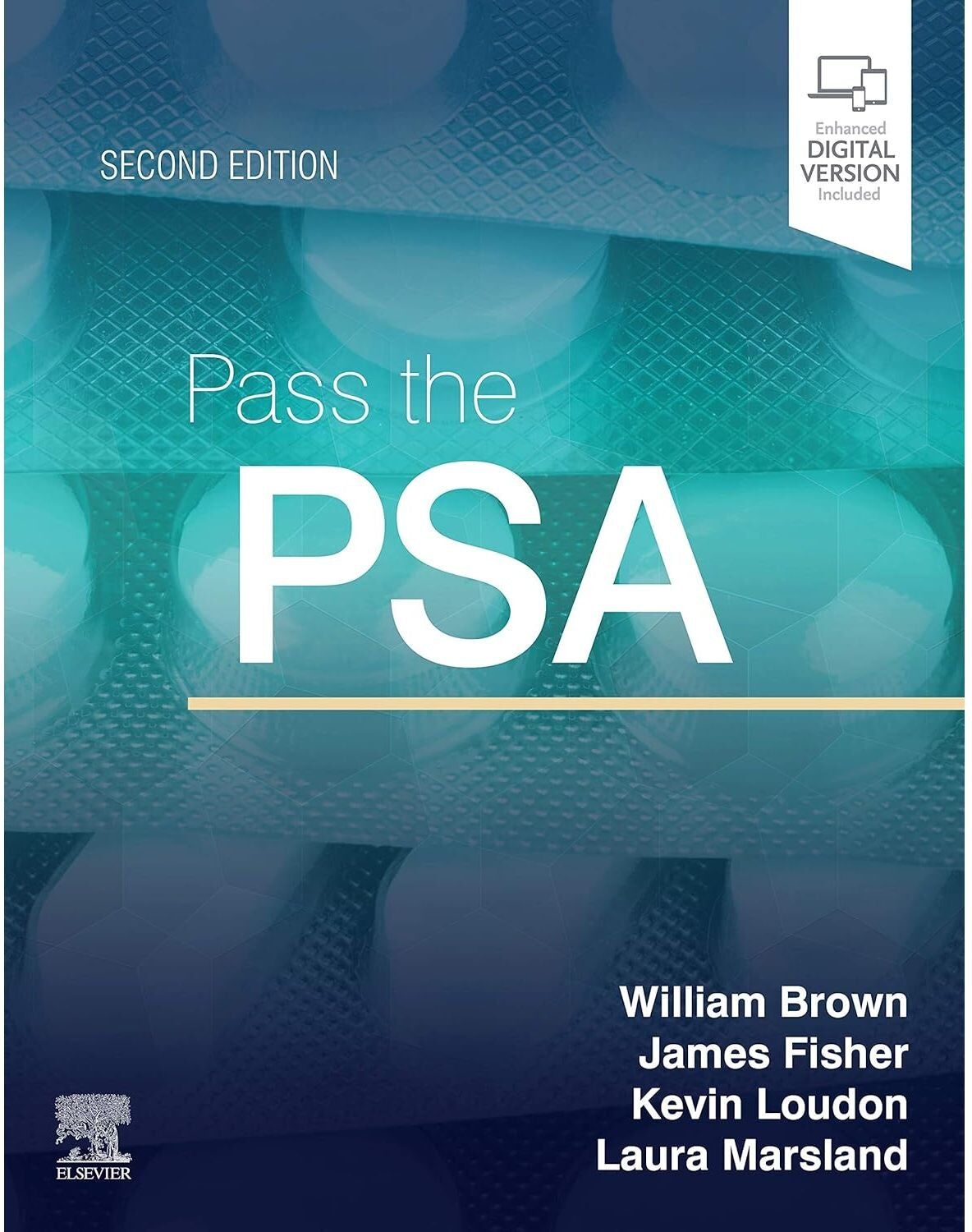
Elsevier Pass the PSAFully updated for its second edition, Pass the PSA is written specifically for the Prescribing Safety Assessment (PSA) exam, with one chapter dedicated to each PSA exam section. This latest edition: Introduces a simple, memorable and failsafe approach to prescribing (the 'PReSCRIBER' mnemonic) Specifies the universal basic principles of prescribing for all sections Examines each section's question structure and how to approach it questions (structured identically to the exam) that conclude each chapter Covers all scenarios suggested for questioning in the PSA blueprint Highlights common traps throughout Contains two mock exams Includes finals-level sections on data interpretation and management28,95 £*Shipping: 2,99 £Secure redirect to the provider
-
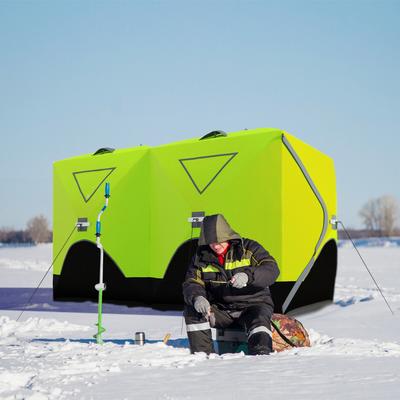
Outsunny 5-8 Person Insulated Pop-Up Ice Fishing Shelter, Portable Ice Fishing Tent Shanty with Carrying Bag, for Low-Temp -22℉Descriptions: Pop in, pop up, and pop out with an Outsunny pop-up ice fishing tent. Made of waterproof Oxford fabric, this tent can keep the cold out even in -22℉/-30℃ conditions. Two zippered doors allow for easy access to the inside.233,47 $*Shipping: 0,00 $Secure redirect to the provider
-
Where should the cutoff frequencies of high-pass, low-pass, and band-pass filters be placed?
The cutoff frequencies of high-pass filters should be placed above the frequency range of interest, allowing only high frequencies to pass through. For low-pass filters, the cutoff frequencies should be placed below the frequency range of interest, allowing only low frequencies to pass through. In the case of band-pass filters, the cutoff frequencies should be placed within the desired frequency range to allow a specific band of frequencies to pass through while attenuating others. **
-
What are bass, treble, and low-pass settings?
Bass, treble, and low-pass settings are audio equalization controls commonly found on audio devices such as stereos, amplifiers, and headphones. Bass controls adjust the lower frequencies, allowing you to increase or decrease the depth and richness of the sound. Treble controls adjust the higher frequencies, enabling you to enhance or reduce the clarity and brightness of the sound. Low-pass settings are filters that allow frequencies below a certain point to pass through, typically used to control the amount of bass in the audio output. **
-
How can I simulate a low-pass and high-pass filter in LTspice?
To simulate a low-pass filter in LTspice, you can use a resistor-capacitor (RC) circuit where the capacitor is connected in parallel with the load. The cutoff frequency of the filter can be adjusted by changing the values of the resistor and capacitor. For a high-pass filter, you can use an inductor-capacitor (LC) circuit where the inductor is connected in series with the load. Similarly, the cutoff frequency can be adjusted by changing the values of the inductor and capacitor. By simulating these circuits in LTspice and analyzing the frequency response, you can observe how the filters attenuate or pass certain frequencies according to their characteristics. **
-
How does the current behave in a high-pass and low-pass filter?
In a high-pass filter, the current allows high-frequency signals to pass through while attenuating low-frequency signals. This means that the current is stronger for high-frequency signals and weaker for low-frequency signals. In contrast, in a low-pass filter, the current allows low-frequency signals to pass through while attenuating high-frequency signals. Therefore, the current is stronger for low-frequency signals and weaker for high-frequency signals in a low-pass filter. **
Similar search terms for Low-pass
-
Smart Shopping Spot Camping Gas Stove Foldable Windproof Burner For Backpacking & Outdoor Cooking Camping Gas Stove Foldable Windproof Burner For Backpacking & Outdoor CookingTake your outdoor cooking to the next level with this portable camping stove designed for adventurers who refuse to compromise on convenience. Whether you're hiking deep into the mountains or enjoying a relaxed picnic, this compact yet powerful...44,97 $*Shipping: 0,00 $Secure redirect to the provider
-
Northwest Hasbro Monopoly Pass Go Silk Touch Throw Blanket"Indulge in ultimate comfort and softness with Hasbro's Monopoly ""Pass Go"" Silk Touch Blanket. Made from 100% polyester, this blanket is silky smooth to the touch and provides the perfect amount of warmth."41,49 $*Shipping: 0,00 $Secure redirect to the provider
-
Microsoft Xbox Game Pass Ultimate - 1 Month Subscription (Account)(BASIC INFORMATION - READ CAREFULLY) ATTENTION: This product is not a redeemable code. You will receive the credentials of a new Xbox account with an already active 1-month Game Pass Ultimate subscription. Credentials are delivered by email and may take up to 24 hours after purchase. COMPULSORY RULES: DO NOT modify the email or password for the account provided. Any change will void the guarantee and subscription. The account is for the exclusive use of activating Game Pass benefits on your console. Want to experience the best of Xbox without long-term commitments? With our account Xbox Game Pass Ultimate 1 month , you'll have instant and complete access to the entire Xbox universe. It's the perfect solution for diving into a catalogue of hundreds of games, trying out online multiplayer and discovering all the benefits of the Ultimate service. Ideal for those who want maximum flexibility or wish to test the platform. What Does Your Game Pass Ultimate Membership Include? The Ultimate is the most comprehensive package, giving you access to incredible value with a single subscription: Extensive catalogue of games (console and PC): Access hundreds of high-quality games, from big triple-A hits to independent masterpieces. The catalogue expands every month! Xbox Game Studios games from Day One: Play the most anticipated Xbox titles, such as Halo Go Starfield and many others, at no extra cost from launch day. Online Multiplayer (Game Pass Core): Play online with your friends and join the best community of console gamers. EA Play Subscription Included: Get access to a collection of Electronic Arts' best titles, exclusive rewards and trial versions of new games. Xbox Cloud Gaming (xCloud): Play your favourite titles via streaming on consoles, PCs, tablets and smartphones. Your game follows you everywhere. Discounts and Exclusive Offers: Take advantage of member-only discounts when purchasing games and digital content. How It Works (Fast and Easy): Buy: Complete your order. Receive Credentials: Within 24 hours you will receive by email the address and password of the Xbox account with the active subscription. Add the Account on Your Console: Go to "Settings" > "General" > "Customisation". Select " My Xbox home " and set the console as main for the account we have provided you with. Play from your Personal Profile: Return to your personal account and enjoy all the benefits of Game Pass Ultimate! You can download any game from the catalogue and play it online with your gamertag. Why Choose Our Account? Maximum Flexibility: Try the service for a month without any commitment. It is the perfect choice for discovering new games or for periods of intensive gaming. Everything pre-activated: You don't have to worry about redeeming codes or entering payment details. Just log in and play. Full access: Enjoy all the features of the Ultimate version at an affordable price. Dive right into the action. Add the 1-month Xbox Game Pass Ultimate account to your cart and...17,28 £*Shipping: 0,00 £Secure redirect to the provider
-
Microsoft Xbox Game Pass Ultimate - 12 Month Subscription (Account)(BASIC INFORMATION - READ CAREFULLY) ATTENTION: This product is not a redeemable code. You will receive the credentials of a new Xbox account with an already active 12-month Game Pass Ultimate subscription. Credentials are delivered by email and may take up to 24 hours after purchase. COMPULSORY RULES: DO NOT modify the email or password for the account provided. Any change will void the guarantee and subscription. The account is for the exclusive use of activating Game Pass benefits on your console. Are you ready to unlock the universe of limitless gaming? With our account Xbox Game Pass Ultimate 12 months , you'll have complete access to everything the Xbox world has to offer. Forget buying individual games and immerse yourself in a vast catalogue that is constantly being updated. It's the ultimate solution for every type of gamer, from the casual gamer to the hardcore enthusiast. What Does Your Game Pass Ultimate Membership Include? The Ultimate is the most comprehensive package, giving you access to incredible value with a single subscription: Extensive catalogue of games (console and PC): Access hundreds of high-quality games, from big triple-A hits to independent masterpieces. The catalogue expands every month! Xbox Game Studios games from Day One: Play the most anticipated Xbox titles, such as Halo Go Starfield and many others, at no extra cost from launch day. Online Multiplayer (Game Pass Core): Play online with your friends and join the best community of console gamers. EA Play Subscription Included: Get access to a collection of Electronic Arts' best titles, exclusive rewards and trial versions of new games. Xbox Cloud Gaming (xCloud): Play your favourite titles via streaming on consoles, PCs, tablets and smartphones. Your game follows you everywhere. Discounts and Exclusive Offers: Take advantage of member-only discounts when purchasing games and digital content. How It Works (Fast and Easy): Buy: Complete your order. Receive Credentials: Within 24 hours you will receive by email the address and password of the Xbox account with the active subscription. Add the Account on Your Console: Go to "Settings" > "General" > "Customisation". Select " My Xbox home " and set the console as main for the account we have provided you with. Play from your Personal Profile: Return to your personal account and enjoy all the benefits of Game Pass Ultimate! You can download any game from the catalogue and play it online with your gamertag. Why Choose Our Account? Exceptional savings: Get 12 months of unlimited entertainment at a fraction of the cost of a standard subscription. Everything pre-activated: You don't have to worry about redeeming codes or entering payment details. Just log in and play. Ideal solution: Perfect for those who want the most out of their Xbox ecosystem without any worries. Take your gaming experience to the next level. Add the 12-month Xbox Game Pass Ultimate account to your cart now and get ready for a year of pure fun!138,33 £*Shipping: 0,00 £Secure redirect to the provider
-
How are a high-pass filter and a low-pass filter connected in series?
When a high-pass filter and a low-pass filter are connected in series, the output of the high-pass filter is connected to the input of the low-pass filter. This configuration allows only the frequencies above a certain cutoff point to pass through the high-pass filter, and then only the frequencies below a certain cutoff point to pass through the low-pass filter. The result is that the frequencies within the range defined by the two cutoff points are attenuated, while the frequencies outside that range are allowed to pass through relatively unaltered. This series connection of filters is commonly used in audio and signal processing to create a band-pass filter that only allows a specific range of frequencies to pass through. **
-
What is a low-pass filter in electrical engineering?
A low-pass filter is a type of electronic circuit that allows signals with a frequency lower than a certain cutoff frequency to pass through, while attenuating signals with frequencies higher than the cutoff frequency. This type of filter is commonly used to remove high-frequency noise or unwanted signals from a circuit, allowing only the desired low-frequency signals to pass through. Low-pass filters are used in a variety of applications, including audio processing, communication systems, and power supply circuits. **
-
Why is a low-pass filter an integrator and a high-pass filter a differentiator?
A low-pass filter is an integrator because it allows low-frequency signals to pass through while attenuating high-frequency signals. This means that the output of a low-pass filter is the accumulation of the input signal over time, which is similar to the mathematical operation of integration. On the other hand, a high-pass filter is a differentiator because it allows high-frequency signals to pass through while attenuating low-frequency signals. This results in the output of a high-pass filter being more sensitive to rapid changes in the input signal, similar to the mathematical operation of differentiation. **
-
When do I use the high-pass, low-pass, RC, LR, CR, or RL filter?
You would use a high-pass filter when you want to pass high-frequency signals and attenuate low-frequency signals. A low-pass filter is used when you want to pass low-frequency signals and attenuate high-frequency signals. RC filters are commonly used in low-pass and high-pass configurations for simple filtering tasks, while LR, CR, and RL filters are used in more complex filtering applications where a combination of inductors and capacitors are needed to achieve the desired frequency response. The choice of filter type depends on the specific frequency range and attenuation requirements of the signal being filtered. **
* All prices are inclusive of VAT and, if applicable, plus shipping costs. The offer information is based on the details provided by the respective shop and is updated through automated processes. Real-time updates do not occur, so deviations can occur in individual cases. ** Note: Parts of this content were created by AI.