Buy campingwiki.eu ?
We are moving the project
campingwiki.eu .
Are you interested in purchasing the domain
campingwiki.eu ?
domain@kv-gmbh.de · 0541-91531010
Buy campingwiki.eu ?
What are mitochondria?
Mitochondria are membrane-bound organelles found in the cells of most eukaryotic organisms. They are often referred to as the powerhouse of the cell because they are responsible for producing the majority of the cell's energy in the form of adenosine triphosphate (ATP) through a process called cellular respiration. Mitochondria have their own DNA and are believed to have originated from ancient bacteria that were engulfed by a primitive eukaryotic cell through a process called endosymbiosis. They play a crucial role in various cellular functions, including metabolism, signaling, and cell death. **
How did mitochondria originate?
Mitochondria are believed to have originated from a symbiotic relationship between an ancestral eukaryotic cell and an ancient prokaryotic organism, specifically an alpha-proteobacteria. This symbiotic relationship is thought to have occurred around 1.5 billion years ago, with the prokaryotic organism being engulfed by the eukaryotic cell but not digested. Over time, this prokaryotic organism evolved into the mitochondria we see in eukaryotic cells today. This theory is supported by the fact that mitochondria have their own DNA, similar to that of bacteria, and replicate independently of the host cell. **

Similar search terms for Mitochondria
Top-Angebote
Products related to Mitochondria:
-
Multicon Wholesale Hub Portable Wood Burning Tent Stove For Camping, Hiking & Outdoor Cooking Efficient, Eco Friendly, And Durable Portable Wood Burning Tent Stove For Camping, Hiking & Outdoor Cooking Efficient, Eco Friendly, And DurableElevate your outdoor adventures with the Portable Wood Burning Tent Stove. Perfect for camping, hiking, and offgrid cooking, this stove provides a reliable and sustainable heat source. Say goodbye to carrying bulky propane tanks and embrace the...109,97 $*Shipping: 0,00 $Secure redirect to the provider
-
Perfect Picks Market Windproof Portable Camping Stove Foldable Backpacking Gas Burner For Outdoor Cooking Windproof Portable Camping Stove Foldable Backpacking Gas Burner For Outdoor CookingCook anywhere with confidence, even when the weather turns unpredictable. This portable camping stove is designed for adventurers who need reliable heat in the wild without extra bulk. Built with a smart windresistant design, it ensures steady...49,97 $*Shipping: 0,00 $Secure redirect to the provider
-
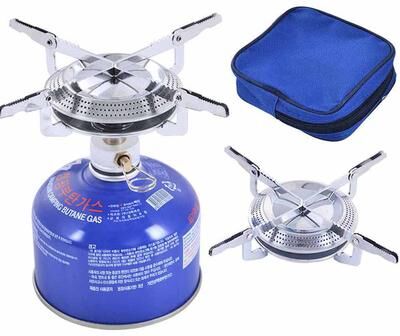
Smart Shopping Spot Camping Stove Folding Gas Burner Compact Backpacking Stove For Outdoor Cooking Camping Stove Folding Gas Burner Compact Backpacking Stove For Outdoor CookingEnjoy hot meals wherever your adventure takes you with this portable camping stove designed for freedom and convenience. Whether you're hiking deep trails or setting up a quick campsite, this compact burner delivers reliable heat in seconds. Built...44,97 $*Shipping: 0,00 $Secure redirect to the provider



-
Why are mitochondria important?
Mitochondria are important because they are the powerhouse of the cell, producing the majority of the cell's energy in the form of ATP through the process of cellular respiration. This energy is essential for various cellular functions, including growth, repair, and division. Additionally, mitochondria play a crucial role in regulating cell metabolism, signaling, and cell death. Dysfunction of mitochondria has been linked to various diseases, highlighting their importance in overall cellular health and function. **
-
How are mitochondria formed?
Mitochondria are formed through a process called mitochondrial biogenesis, which involves the growth and division of existing mitochondria. Mitochondria have their own DNA and can replicate independently of the cell's nucleus. When a cell needs more energy, it signals for the production of new mitochondria through a complex interplay of signaling pathways and regulatory proteins. This process ensures that the cell has an adequate supply of mitochondria to meet its energy demands. **
-
Do all cells have mitochondria?
No, not all cells have mitochondria. Mitochondria are organelles found in eukaryotic cells, which are cells that have a true nucleus and membrane-bound organelles. Prokaryotic cells, such as bacteria, do not have mitochondria. Additionally, some eukaryotic cells, like red blood cells, lose their mitochondria as they mature. **
-
Do animal cells have mitochondria?
Yes, animal cells do have mitochondria. Mitochondria are known as the powerhouse of the cell because they are responsible for producing energy in the form of ATP through a process called cellular respiration. This organelle is found in most eukaryotic cells, including animal cells, and plays a crucial role in metabolism and energy production. **


What are mitochondria and chloroplasts?
Mitochondria are membrane-bound organelles found in the cells of eukaryotic organisms, responsible for producing energy in the form of ATP through cellular respiration. They have their own DNA and are thought to have originated from ancient bacteria through endosymbiosis. Chloroplasts are also membrane-bound organelles found in plant cells and some protists, responsible for photosynthesis, the process by which they convert sunlight into energy-rich molecules like glucose. Like mitochondria, chloroplasts also have their own DNA and are believed to have originated from ancient photosynthetic bacteria through endosymbiosis. **
What is the mitochondria experiment?
The mitochondria experiment refers to an experiment conducted by researchers to study the role and function of mitochondria in cells. This experiment typically involves manipulating the mitochondria in some way, such as by introducing mutations or altering their function, and then observing the effects on the cell and the organism as a whole. By studying the mitochondria in this way, researchers can gain insights into how these organelles contribute to various cellular processes and overall health. This type of experiment is important for advancing our understanding of mitochondrial diseases and potential treatments. **
Top-Angebote
Products related to Mitochondria:
-
Smart Shopping Spot Camping Gas Stove Foldable Windproof Burner For Backpacking & Outdoor Cooking Camping Gas Stove Foldable Windproof Burner For Backpacking & Outdoor CookingTake your outdoor cooking to the next level with this portable camping stove designed for adventurers who refuse to compromise on convenience. Whether you're hiking deep into the mountains or enjoying a relaxed picnic, this compact yet powerful...44,97 $*Shipping: 0,00 $Secure redirect to the provider
-
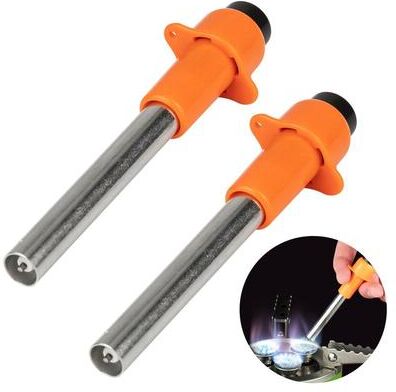
Inspire Daily Merch Portable Outdoor Flame Thrower Lighter Electronic Igniter For Fishing, Camping, Hiking & Cooking 2pcsIgnite your next outdoor adventure with the Portable Outdoor Flame Thrower Lighter! This powerful electronic igniter is designed for all your fishing, camping, hiking, and cooking needs. Whether you're lighting a campfire or sparking your grill,...34,97 $*Shipping: 0,00 $Secure redirect to the provider
-
Multicon Wholesale Hub Portable Wood Burning Tent Stove For Camping, Hiking & Outdoor Cooking Efficient, Eco Friendly, And Durable Portable Wood Burning Tent Stove For Camping, Hiking & Outdoor Cooking Efficient, Eco Friendly, And DurableElevate your outdoor adventures with the Portable Wood Burning Tent Stove. Perfect for camping, hiking, and offgrid cooking, this stove provides a reliable and sustainable heat source. Say goodbye to carrying bulky propane tanks and embrace the...109,97 $*Shipping: 0,00 $Secure redirect to the provider
-
Perfect Picks Market Windproof Portable Camping Stove Foldable Backpacking Gas Burner For Outdoor Cooking Windproof Portable Camping Stove Foldable Backpacking Gas Burner For Outdoor CookingCook anywhere with confidence, even when the weather turns unpredictable. This portable camping stove is designed for adventurers who need reliable heat in the wild without extra bulk. Built with a smart windresistant design, it ensures steady...49,97 $*Shipping: 0,00 $Secure redirect to the provider
-
What are mitochondria?
Mitochondria are membrane-bound organelles found in the cells of most eukaryotic organisms. They are often referred to as the powerhouse of the cell because they are responsible for producing the majority of the cell's energy in the form of adenosine triphosphate (ATP) through a process called cellular respiration. Mitochondria have their own DNA and are believed to have originated from ancient bacteria that were engulfed by a primitive eukaryotic cell through a process called endosymbiosis. They play a crucial role in various cellular functions, including metabolism, signaling, and cell death. **
-
How did mitochondria originate?
Mitochondria are believed to have originated from a symbiotic relationship between an ancestral eukaryotic cell and an ancient prokaryotic organism, specifically an alpha-proteobacteria. This symbiotic relationship is thought to have occurred around 1.5 billion years ago, with the prokaryotic organism being engulfed by the eukaryotic cell but not digested. Over time, this prokaryotic organism evolved into the mitochondria we see in eukaryotic cells today. This theory is supported by the fact that mitochondria have their own DNA, similar to that of bacteria, and replicate independently of the host cell. **
-
Why are mitochondria important?
Mitochondria are important because they are the powerhouse of the cell, producing the majority of the cell's energy in the form of ATP through the process of cellular respiration. This energy is essential for various cellular functions, including growth, repair, and division. Additionally, mitochondria play a crucial role in regulating cell metabolism, signaling, and cell death. Dysfunction of mitochondria has been linked to various diseases, highlighting their importance in overall cellular health and function. **
-
How are mitochondria formed?
Mitochondria are formed through a process called mitochondrial biogenesis, which involves the growth and division of existing mitochondria. Mitochondria have their own DNA and can replicate independently of the cell's nucleus. When a cell needs more energy, it signals for the production of new mitochondria through a complex interplay of signaling pathways and regulatory proteins. This process ensures that the cell has an adequate supply of mitochondria to meet its energy demands. **
Similar search terms for Mitochondria
-
Smart Shopping Spot Camping Stove Folding Gas Burner Compact Backpacking Stove For Outdoor Cooking Camping Stove Folding Gas Burner Compact Backpacking Stove For Outdoor CookingEnjoy hot meals wherever your adventure takes you with this portable camping stove designed for freedom and convenience. Whether you're hiking deep trails or setting up a quick campsite, this compact burner delivers reliable heat in seconds. Built...44,97 $*Shipping: 0,00 $Secure redirect to the provider
-
Inspire Daily Merch Portable Camping Stove Foldable Mini Gas Burner For Backpacking And Outdoor Cooking Portable Camping Stove Foldable Mini Gas Burner For Backpacking And Outdoor CookingA hot meal in the outdoors should be simple, fast, and reliable. This portable camping stove is designed for adventurers who want powerful cooking performance without carrying bulky gear. Compact yet powerful, this mini gas camping stove delivers...39,97 $*Shipping: 0,00 $Secure redirect to the provider
-
All Categories Goods Camping Stove Burner Adapter, Portable Picnic Backpacking Burner, Compact Cassette For Outdoor Cooking Camping Stove Burner Adapter, Portable Picnic Backpacking Burner, Compact Cassette For Outdoor CookingCamping Stove Burner Adapter Portable Picnic Backpacking Burner + Cassette Make your outdoor adventures even better with the Camping Stove Burner Adapter. Perfect for picnics, backpacking, and camping, this compact and lightweight burner adapter...109,97 $*Shipping: 0,00 $Secure redirect to the provider
-
Do all cells have mitochondria?
No, not all cells have mitochondria. Mitochondria are organelles found in eukaryotic cells, which are cells that have a true nucleus and membrane-bound organelles. Prokaryotic cells, such as bacteria, do not have mitochondria. Additionally, some eukaryotic cells, like red blood cells, lose their mitochondria as they mature. **
-
Do animal cells have mitochondria?
Yes, animal cells do have mitochondria. Mitochondria are known as the powerhouse of the cell because they are responsible for producing energy in the form of ATP through a process called cellular respiration. This organelle is found in most eukaryotic cells, including animal cells, and plays a crucial role in metabolism and energy production. **
-
What are mitochondria and chloroplasts?
Mitochondria are membrane-bound organelles found in the cells of eukaryotic organisms, responsible for producing energy in the form of ATP through cellular respiration. They have their own DNA and are thought to have originated from ancient bacteria through endosymbiosis. Chloroplasts are also membrane-bound organelles found in plant cells and some protists, responsible for photosynthesis, the process by which they convert sunlight into energy-rich molecules like glucose. Like mitochondria, chloroplasts also have their own DNA and are believed to have originated from ancient photosynthetic bacteria through endosymbiosis. **
-
What is the mitochondria experiment?
The mitochondria experiment refers to an experiment conducted by researchers to study the role and function of mitochondria in cells. This experiment typically involves manipulating the mitochondria in some way, such as by introducing mutations or altering their function, and then observing the effects on the cell and the organism as a whole. By studying the mitochondria in this way, researchers can gain insights into how these organelles contribute to various cellular processes and overall health. This type of experiment is important for advancing our understanding of mitochondrial diseases and potential treatments. **
* All prices are inclusive of VAT and, if applicable, plus shipping costs. The offer information is based on the details provided by the respective shop and is updated through automated processes. Real-time updates do not occur, so deviations can occur in individual cases. ** Note: Parts of this content were created by AI.