Buy campingwiki.eu ?
We are moving the project
campingwiki.eu .
Are you interested in purchasing the domain
campingwiki.eu ?
domain@kv-gmbh.de · 0541-91531010
Buy campingwiki.eu ?
Does radioactivity taste metallic?
No, radioactivity does not have a taste. Radioactivity refers to the emission of particles or energy from the nucleus of an unstable atom, and it is not a physical substance that can be tasted. The metallic taste that is sometimes associated with radioactivity may be due to exposure to certain metals or chemicals that are radioactive, but the radioactivity itself does not have a taste. **
What exactly is radioactivity?
Radioactivity is the process by which unstable atomic nuclei emit particles or electromagnetic radiation in order to become more stable. This emission can take the form of alpha particles, beta particles, or gamma rays. Radioactive materials have an excess of energy or mass, which they release in the form of radiation until they reach a stable state. This radiation can be harmful to living organisms if they are exposed to it in high doses. **

Similar search terms for Radioactivity
Top-Angebote
Products related to Radioactivity:
-
Multicon Wholesale Hub Portable Wood Burning Tent Stove For Camping, Hiking & Outdoor Cooking Efficient, Eco Friendly, And Durable Portable Wood Burning Tent Stove For Camping, Hiking & Outdoor Cooking Efficient, Eco Friendly, And DurableElevate your outdoor adventures with the Portable Wood Burning Tent Stove. Perfect for camping, hiking, and offgrid cooking, this stove provides a reliable and sustainable heat source. Say goodbye to carrying bulky propane tanks and embrace the...109,97 $*Shipping: 0,00 $Secure redirect to the provider
-
Perfect Picks Market Windproof Portable Camping Stove Foldable Backpacking Gas Burner For Outdoor Cooking Windproof Portable Camping Stove Foldable Backpacking Gas Burner For Outdoor CookingCook anywhere with confidence, even when the weather turns unpredictable. This portable camping stove is designed for adventurers who need reliable heat in the wild without extra bulk. Built with a smart windresistant design, it ensures steady...49,97 $*Shipping: 0,00 $Secure redirect to the provider
-
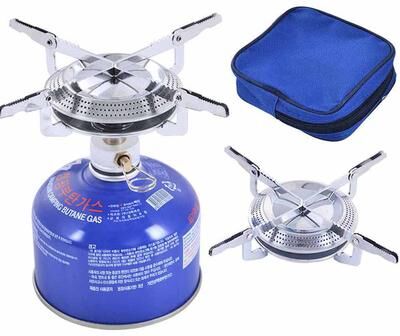
Smart Shopping Spot Camping Stove Folding Gas Burner Compact Backpacking Stove For Outdoor Cooking Camping Stove Folding Gas Burner Compact Backpacking Stove For Outdoor CookingEnjoy hot meals wherever your adventure takes you with this portable camping stove designed for freedom and convenience. Whether you're hiking deep trails or setting up a quick campsite, this compact burner delivers reliable heat in seconds. Built...44,97 $*Shipping: 0,00 $Secure redirect to the provider



-
How is radioactivity formed?
Radioactivity is formed when an unstable atomic nucleus undergoes radioactive decay, emitting particles and energy in the process. This instability can be caused by having an excess of protons or neutrons in the nucleus, leading to an imbalance in the forces holding the nucleus together. The emitted particles can include alpha particles (helium nuclei), beta particles (electrons or positrons), and gamma rays (high-energy photons). The rate at which a radioactive substance decays is measured by its half-life, which is the time it takes for half of the atoms in a sample to decay. **
-
How is radioactivity created?
Radioactivity is created when an unstable atomic nucleus undergoes radioactive decay, emitting particles and energy in the process. This decay can occur spontaneously or be induced through processes like nuclear fission or fusion. Radioactive elements have an excess of energy or mass in their nuclei, leading to instability and the release of radiation as they decay into more stable forms. This radiation can take the form of alpha particles, beta particles, gamma rays, or neutrons. **
-
Does radioactivity disrupt electricity?
Radioactivity itself does not disrupt electricity. However, in certain situations, radioactive materials can interfere with electrical equipment. For example, high levels of radiation can cause electrical components to malfunction or even fail. Additionally, radioactive materials can generate heat, which can potentially affect the performance of electrical systems. Overall, while radioactivity does not directly disrupt electricity, it can have indirect effects on electrical equipment in certain circumstances. **
-
What is meant by radioactivity?
Radioactivity is the process by which unstable atomic nuclei emit particles or electromagnetic radiation in order to become more stable. This emission can take the form of alpha particles, beta particles, or gamma rays. Radioactive decay is a random process, and the rate at which it occurs is measured by the half-life of the radioactive material. **


How much radioactivity is normal?
Normal levels of radioactivity can vary depending on the specific location and environment. In general, background radiation levels are typically around 0.1 to 0.2 microsieverts per hour (µSv/h) in most parts of the world. However, certain areas may have higher natural background radiation levels due to factors such as the presence of radioactive minerals in the soil or rocks. It's important to note that exposure to higher levels of radioactivity, whether from natural or man-made sources, can pose health risks, so it's important to monitor and limit exposure when possible. **
What is radioactivity in physics?
Radioactivity in physics refers to the process by which certain unstable atomic nuclei emit radiation in the form of particles or electromagnetic waves. This emission occurs as the nucleus undergoes a spontaneous decay, transforming into a more stable configuration. The three main types of radiation emitted during radioactive decay are alpha particles, beta particles, and gamma rays. Radioactivity plays a crucial role in various fields, including nuclear physics, medicine, and energy production. **
Top-Angebote
Products related to Radioactivity:
-
Smart Shopping Spot Camping Gas Stove Foldable Windproof Burner For Backpacking & Outdoor Cooking Camping Gas Stove Foldable Windproof Burner For Backpacking & Outdoor CookingTake your outdoor cooking to the next level with this portable camping stove designed for adventurers who refuse to compromise on convenience. Whether you're hiking deep into the mountains or enjoying a relaxed picnic, this compact yet powerful...44,97 $*Shipping: 0,00 $Secure redirect to the provider
-
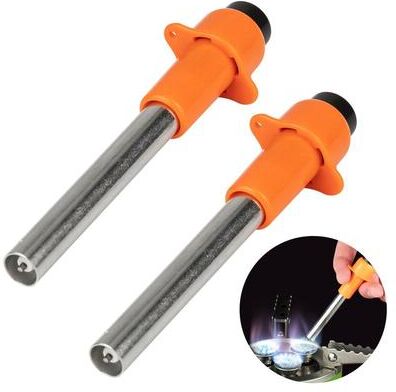
Inspire Daily Merch Portable Outdoor Flame Thrower Lighter Electronic Igniter For Fishing, Camping, Hiking & Cooking 2pcsIgnite your next outdoor adventure with the Portable Outdoor Flame Thrower Lighter! This powerful electronic igniter is designed for all your fishing, camping, hiking, and cooking needs. Whether you're lighting a campfire or sparking your grill,...34,97 $*Shipping: 0,00 $Secure redirect to the provider
-
Multicon Wholesale Hub Portable Wood Burning Tent Stove For Camping, Hiking & Outdoor Cooking Efficient, Eco Friendly, And Durable Portable Wood Burning Tent Stove For Camping, Hiking & Outdoor Cooking Efficient, Eco Friendly, And DurableElevate your outdoor adventures with the Portable Wood Burning Tent Stove. Perfect for camping, hiking, and offgrid cooking, this stove provides a reliable and sustainable heat source. Say goodbye to carrying bulky propane tanks and embrace the...109,97 $*Shipping: 0,00 $Secure redirect to the provider
-
Perfect Picks Market Windproof Portable Camping Stove Foldable Backpacking Gas Burner For Outdoor Cooking Windproof Portable Camping Stove Foldable Backpacking Gas Burner For Outdoor CookingCook anywhere with confidence, even when the weather turns unpredictable. This portable camping stove is designed for adventurers who need reliable heat in the wild without extra bulk. Built with a smart windresistant design, it ensures steady...49,97 $*Shipping: 0,00 $Secure redirect to the provider
-
Does radioactivity taste metallic?
No, radioactivity does not have a taste. Radioactivity refers to the emission of particles or energy from the nucleus of an unstable atom, and it is not a physical substance that can be tasted. The metallic taste that is sometimes associated with radioactivity may be due to exposure to certain metals or chemicals that are radioactive, but the radioactivity itself does not have a taste. **
-
What exactly is radioactivity?
Radioactivity is the process by which unstable atomic nuclei emit particles or electromagnetic radiation in order to become more stable. This emission can take the form of alpha particles, beta particles, or gamma rays. Radioactive materials have an excess of energy or mass, which they release in the form of radiation until they reach a stable state. This radiation can be harmful to living organisms if they are exposed to it in high doses. **
-
How is radioactivity formed?
Radioactivity is formed when an unstable atomic nucleus undergoes radioactive decay, emitting particles and energy in the process. This instability can be caused by having an excess of protons or neutrons in the nucleus, leading to an imbalance in the forces holding the nucleus together. The emitted particles can include alpha particles (helium nuclei), beta particles (electrons or positrons), and gamma rays (high-energy photons). The rate at which a radioactive substance decays is measured by its half-life, which is the time it takes for half of the atoms in a sample to decay. **
-
How is radioactivity created?
Radioactivity is created when an unstable atomic nucleus undergoes radioactive decay, emitting particles and energy in the process. This decay can occur spontaneously or be induced through processes like nuclear fission or fusion. Radioactive elements have an excess of energy or mass in their nuclei, leading to instability and the release of radiation as they decay into more stable forms. This radiation can take the form of alpha particles, beta particles, gamma rays, or neutrons. **
Similar search terms for Radioactivity
-
Smart Shopping Spot Camping Stove Folding Gas Burner Compact Backpacking Stove For Outdoor Cooking Camping Stove Folding Gas Burner Compact Backpacking Stove For Outdoor CookingEnjoy hot meals wherever your adventure takes you with this portable camping stove designed for freedom and convenience. Whether you're hiking deep trails or setting up a quick campsite, this compact burner delivers reliable heat in seconds. Built...44,97 $*Shipping: 0,00 $Secure redirect to the provider
-
Inspire Daily Merch Portable Camping Stove Foldable Mini Gas Burner For Backpacking And Outdoor Cooking Portable Camping Stove Foldable Mini Gas Burner For Backpacking And Outdoor CookingA hot meal in the outdoors should be simple, fast, and reliable. This portable camping stove is designed for adventurers who want powerful cooking performance without carrying bulky gear. Compact yet powerful, this mini gas camping stove delivers...39,97 $*Shipping: 0,00 $Secure redirect to the provider
-
All Categories Goods Camping Stove Burner Adapter, Portable Picnic Backpacking Burner, Compact Cassette For Outdoor Cooking Camping Stove Burner Adapter, Portable Picnic Backpacking Burner, Compact Cassette For Outdoor CookingCamping Stove Burner Adapter Portable Picnic Backpacking Burner + Cassette Make your outdoor adventures even better with the Camping Stove Burner Adapter. Perfect for picnics, backpacking, and camping, this compact and lightweight burner adapter...109,97 $*Shipping: 0,00 $Secure redirect to the provider
-
Does radioactivity disrupt electricity?
Radioactivity itself does not disrupt electricity. However, in certain situations, radioactive materials can interfere with electrical equipment. For example, high levels of radiation can cause electrical components to malfunction or even fail. Additionally, radioactive materials can generate heat, which can potentially affect the performance of electrical systems. Overall, while radioactivity does not directly disrupt electricity, it can have indirect effects on electrical equipment in certain circumstances. **
-
What is meant by radioactivity?
Radioactivity is the process by which unstable atomic nuclei emit particles or electromagnetic radiation in order to become more stable. This emission can take the form of alpha particles, beta particles, or gamma rays. Radioactive decay is a random process, and the rate at which it occurs is measured by the half-life of the radioactive material. **
-
How much radioactivity is normal?
Normal levels of radioactivity can vary depending on the specific location and environment. In general, background radiation levels are typically around 0.1 to 0.2 microsieverts per hour (µSv/h) in most parts of the world. However, certain areas may have higher natural background radiation levels due to factors such as the presence of radioactive minerals in the soil or rocks. It's important to note that exposure to higher levels of radioactivity, whether from natural or man-made sources, can pose health risks, so it's important to monitor and limit exposure when possible. **
-
What is radioactivity in physics?
Radioactivity in physics refers to the process by which certain unstable atomic nuclei emit radiation in the form of particles or electromagnetic waves. This emission occurs as the nucleus undergoes a spontaneous decay, transforming into a more stable configuration. The three main types of radiation emitted during radioactive decay are alpha particles, beta particles, and gamma rays. Radioactivity plays a crucial role in various fields, including nuclear physics, medicine, and energy production. **
* All prices are inclusive of VAT and, if applicable, plus shipping costs. The offer information is based on the details provided by the respective shop and is updated through automated processes. Real-time updates do not occur, so deviations can occur in individual cases. ** Note: Parts of this content were created by AI.