Buy campingwiki.eu ?
We are moving the project
campingwiki.eu .
Are you interested in purchasing the domain
campingwiki.eu ?
domain@kv-gmbh.de · 0541-91531010
Buy campingwiki.eu ?
Unicellular species
Unicellular species are organisms that consist of a single cell, as opposed to multicellular organisms that are made up of multiple cells. These single-celled organisms can carry out all the necessary functions for life within that one cell, including obtaining nutrients, reproducing, and responding to their environment. Examples of unicellular species include bacteria, archaea, protists, and some types of algae. Despite their simple structure, unicellular species play important roles in various ecosystems and can have significant impacts on the environment. **
'Unicellular species'
Unicellular species are organisms that consist of only a single cell. These organisms carry out all of the necessary functions for life within this single cell, including obtaining nutrients, reproducing, and responding to their environment. Examples of unicellular species include bacteria, archaea, and protists. Despite being simple in structure, unicellular species can be highly diverse and have adapted to thrive in a wide range of environments. **

Similar search terms for Unicellular
Top-Angebote
Products related to Unicellular:
-
Multicon Wholesale Hub Portable Wood Burning Tent Stove For Camping, Hiking & Outdoor Cooking Efficient, Eco Friendly, And Durable Portable Wood Burning Tent Stove For Camping, Hiking & Outdoor Cooking Efficient, Eco Friendly, And DurableElevate your outdoor adventures with the Portable Wood Burning Tent Stove. Perfect for camping, hiking, and offgrid cooking, this stove provides a reliable and sustainable heat source. Say goodbye to carrying bulky propane tanks and embrace the...109,97 $*Shipping: 0,00 $Secure redirect to the provider
-
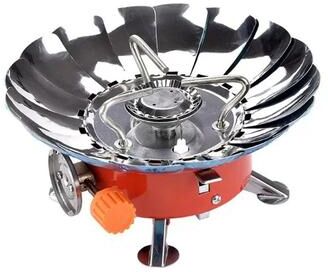
Perfect Picks Market Windproof Portable Camping Stove Foldable Backpacking Gas Burner For Outdoor Cooking Windproof Portable Camping Stove Foldable Backpacking Gas Burner For Outdoor CookingCook anywhere with confidence, even when the weather turns unpredictable. This portable camping stove is designed for adventurers who need reliable heat in the wild without extra bulk. Built with a smart windresistant design, it ensures steady...49,97 $*Shipping: 0,00 $Secure redirect to the provider
-
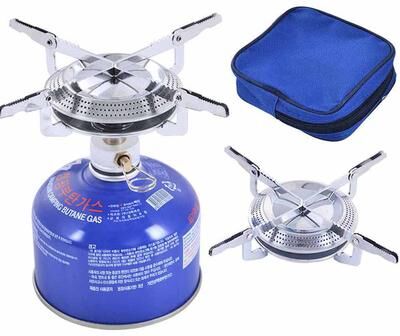
Smart Shopping Spot Camping Stove Folding Gas Burner Compact Backpacking Stove For Outdoor Cooking Camping Stove Folding Gas Burner Compact Backpacking Stove For Outdoor CookingEnjoy hot meals wherever your adventure takes you with this portable camping stove designed for freedom and convenience. Whether you're hiking deep trails or setting up a quick campsite, this compact burner delivers reliable heat in seconds. Built...44,97 $*Shipping: 0,00 $Secure redirect to the provider


-
Are plants unicellular or multicellular?
Plants are multicellular organisms. **
-
What are eukaryotic unicellular organisms?
Eukaryotic unicellular organisms are single-celled organisms that have a true nucleus enclosed within a membrane. They belong to the domain Eukarya and can be found in various environments such as water, soil, and even inside other organisms. Examples of eukaryotic unicellular organisms include protists like amoebas, paramecia, and algae. These organisms can carry out all the necessary functions for life within a single cell. **
-
What are unicellular and multicellular organisms?
Unicellular organisms are living things that are made up of only one cell. This means that all of their life processes, such as obtaining nutrients, reproducing, and responding to their environment, occur within a single cell. Examples of unicellular organisms include bacteria, protozoa, and some types of algae. On the other hand, multicellular organisms are made up of more than one cell. These cells are specialized to perform different functions within the organism, such as muscle cells for movement, nerve cells for communication, and skin cells for protection. Multicellular organisms include plants, animals, and fungi. The cells in multicellular organisms work together to support the overall function and survival of the organism. **
-
What were the non-organic first living organisms - unicellular organisms, if we consider paramecia and amoebas as the first unicellular organisms?
The non-organic first living organisms were likely simple organic molecules that formed through chemical reactions in the early Earth's environment. These molecules eventually combined to form the first unicellular organisms, such as paramecia and amoebas. These unicellular organisms were likely the result of a gradual process of chemical evolution, where simple organic molecules organized themselves into more complex structures capable of exhibiting life-like properties. This process eventually led to the emergence of the first living organisms on Earth. **


What are the differences between unicellular and multicellular organisms?
Unicellular organisms are made up of a single cell, while multicellular organisms are made up of multiple cells. Unicellular organisms carry out all life processes within a single cell, while multicellular organisms have specialized cells that perform specific functions. Multicellular organisms have a higher level of organization and complexity compared to unicellular organisms. Additionally, multicellular organisms have a division of labor among cells, allowing for more efficient functioning and larger size. **
How did the unicellular organism evolve into a multicellular organism?
The evolution of unicellular organisms into multicellular organisms is believed to have occurred through a process called coloniality. Initially, unicellular organisms formed colonies where individual cells worked together for survival. Over time, some cells within these colonies specialized in specific functions, leading to the development of multicellular organisms with different cell types. This specialization allowed for more complex structures and functions, ultimately leading to the evolution of multicellular organisms. **
Top-Angebote
Products related to Unicellular:
-
Smart Shopping Spot Camping Gas Stove Foldable Windproof Burner For Backpacking & Outdoor Cooking Camping Gas Stove Foldable Windproof Burner For Backpacking & Outdoor CookingTake your outdoor cooking to the next level with this portable camping stove designed for adventurers who refuse to compromise on convenience. Whether you're hiking deep into the mountains or enjoying a relaxed picnic, this compact yet powerful...44,97 $*Shipping: 0,00 $Secure redirect to the provider
-
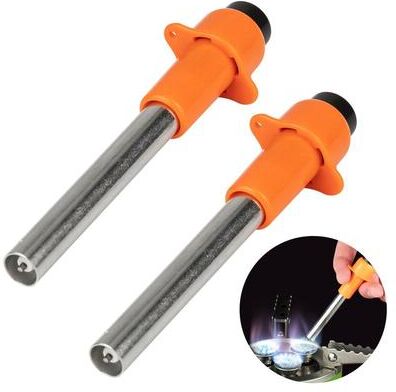
Inspire Daily Merch Portable Outdoor Flame Thrower Lighter Electronic Igniter For Fishing, Camping, Hiking & Cooking 2pcsIgnite your next outdoor adventure with the Portable Outdoor Flame Thrower Lighter! This powerful electronic igniter is designed for all your fishing, camping, hiking, and cooking needs. Whether you're lighting a campfire or sparking your grill,...34,97 $*Shipping: 0,00 $Secure redirect to the provider
-
Multicon Wholesale Hub Portable Wood Burning Tent Stove For Camping, Hiking & Outdoor Cooking Efficient, Eco Friendly, And Durable Portable Wood Burning Tent Stove For Camping, Hiking & Outdoor Cooking Efficient, Eco Friendly, And DurableElevate your outdoor adventures with the Portable Wood Burning Tent Stove. Perfect for camping, hiking, and offgrid cooking, this stove provides a reliable and sustainable heat source. Say goodbye to carrying bulky propane tanks and embrace the...109,97 $*Shipping: 0,00 $Secure redirect to the provider
-
Perfect Picks Market Windproof Portable Camping Stove Foldable Backpacking Gas Burner For Outdoor Cooking Windproof Portable Camping Stove Foldable Backpacking Gas Burner For Outdoor CookingCook anywhere with confidence, even when the weather turns unpredictable. This portable camping stove is designed for adventurers who need reliable heat in the wild without extra bulk. Built with a smart windresistant design, it ensures steady...49,97 $*Shipping: 0,00 $Secure redirect to the provider
-
Unicellular species
Unicellular species are organisms that consist of a single cell, as opposed to multicellular organisms that are made up of multiple cells. These single-celled organisms can carry out all the necessary functions for life within that one cell, including obtaining nutrients, reproducing, and responding to their environment. Examples of unicellular species include bacteria, archaea, protists, and some types of algae. Despite their simple structure, unicellular species play important roles in various ecosystems and can have significant impacts on the environment. **
-
'Unicellular species'
Unicellular species are organisms that consist of only a single cell. These organisms carry out all of the necessary functions for life within this single cell, including obtaining nutrients, reproducing, and responding to their environment. Examples of unicellular species include bacteria, archaea, and protists. Despite being simple in structure, unicellular species can be highly diverse and have adapted to thrive in a wide range of environments. **
-
Are plants unicellular or multicellular?
Plants are multicellular organisms. **
-
What are eukaryotic unicellular organisms?
Eukaryotic unicellular organisms are single-celled organisms that have a true nucleus enclosed within a membrane. They belong to the domain Eukarya and can be found in various environments such as water, soil, and even inside other organisms. Examples of eukaryotic unicellular organisms include protists like amoebas, paramecia, and algae. These organisms can carry out all the necessary functions for life within a single cell. **
Similar search terms for Unicellular
-
Smart Shopping Spot Camping Stove Folding Gas Burner Compact Backpacking Stove For Outdoor Cooking Camping Stove Folding Gas Burner Compact Backpacking Stove For Outdoor CookingEnjoy hot meals wherever your adventure takes you with this portable camping stove designed for freedom and convenience. Whether you're hiking deep trails or setting up a quick campsite, this compact burner delivers reliable heat in seconds. Built...44,97 $*Shipping: 0,00 $Secure redirect to the provider
-
Inspire Daily Merch Portable Camping Stove Foldable Mini Gas Burner For Backpacking And Outdoor Cooking Portable Camping Stove Foldable Mini Gas Burner For Backpacking And Outdoor CookingA hot meal in the outdoors should be simple, fast, and reliable. This portable camping stove is designed for adventurers who want powerful cooking performance without carrying bulky gear. Compact yet powerful, this mini gas camping stove delivers...39,97 $*Shipping: 0,00 $Secure redirect to the provider
-
All Categories Goods Camping Stove Burner Adapter, Portable Picnic Backpacking Burner, Compact Cassette For Outdoor Cooking Camping Stove Burner Adapter, Portable Picnic Backpacking Burner, Compact Cassette For Outdoor CookingCamping Stove Burner Adapter Portable Picnic Backpacking Burner + Cassette Make your outdoor adventures even better with the Camping Stove Burner Adapter. Perfect for picnics, backpacking, and camping, this compact and lightweight burner adapter...109,97 $*Shipping: 0,00 $Secure redirect to the provider
-
What are unicellular and multicellular organisms?
Unicellular organisms are living things that are made up of only one cell. This means that all of their life processes, such as obtaining nutrients, reproducing, and responding to their environment, occur within a single cell. Examples of unicellular organisms include bacteria, protozoa, and some types of algae. On the other hand, multicellular organisms are made up of more than one cell. These cells are specialized to perform different functions within the organism, such as muscle cells for movement, nerve cells for communication, and skin cells for protection. Multicellular organisms include plants, animals, and fungi. The cells in multicellular organisms work together to support the overall function and survival of the organism. **
-
What were the non-organic first living organisms - unicellular organisms, if we consider paramecia and amoebas as the first unicellular organisms?
The non-organic first living organisms were likely simple organic molecules that formed through chemical reactions in the early Earth's environment. These molecules eventually combined to form the first unicellular organisms, such as paramecia and amoebas. These unicellular organisms were likely the result of a gradual process of chemical evolution, where simple organic molecules organized themselves into more complex structures capable of exhibiting life-like properties. This process eventually led to the emergence of the first living organisms on Earth. **
-
What are the differences between unicellular and multicellular organisms?
Unicellular organisms are made up of a single cell, while multicellular organisms are made up of multiple cells. Unicellular organisms carry out all life processes within a single cell, while multicellular organisms have specialized cells that perform specific functions. Multicellular organisms have a higher level of organization and complexity compared to unicellular organisms. Additionally, multicellular organisms have a division of labor among cells, allowing for more efficient functioning and larger size. **
-
How did the unicellular organism evolve into a multicellular organism?
The evolution of unicellular organisms into multicellular organisms is believed to have occurred through a process called coloniality. Initially, unicellular organisms formed colonies where individual cells worked together for survival. Over time, some cells within these colonies specialized in specific functions, leading to the development of multicellular organisms with different cell types. This specialization allowed for more complex structures and functions, ultimately leading to the evolution of multicellular organisms. **
* All prices are inclusive of VAT and, if applicable, plus shipping costs. The offer information is based on the details provided by the respective shop and is updated through automated processes. Real-time updates do not occur, so deviations can occur in individual cases. ** Note: Parts of this content were created by AI.